Can Wearing Orthotics Help To Relieve The Pain From Heel Spurs?

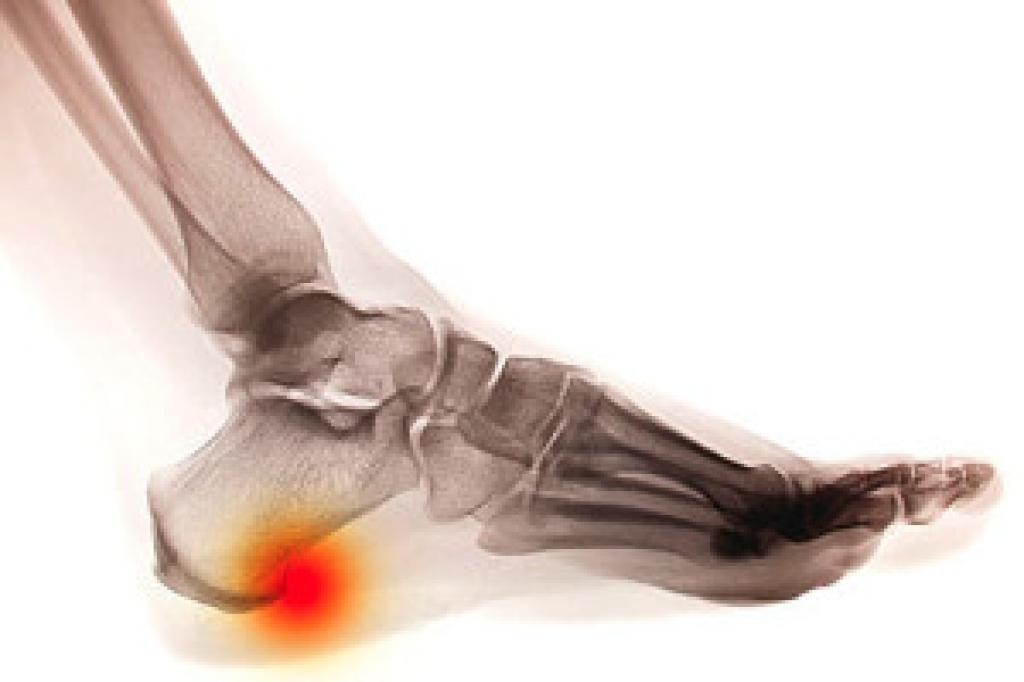
Pain and discomfort in the heel and surrounding areas may be indicative of a heel spur. It is defined as a bony growth that protrudes from under the heel and may cause inflammation. Additionally, the Achilles tendon may be affected, which may make it difficult to push off the feet while walking. An X-ray is generally taken to help determine the severity of the heel spur. Patients have found that it may be beneficial to elevate the foot, as well as wear shoes that have cushioned soles to alleviate the discomfort that comes with heel spurs. If you have a heel spur, it is suggested that you consult with a podiatrist who can guide you toward proper treatment techniques, which may include wearing orthotics.

Heel spurs can be incredibly painful and sometimes may make you unable to participate in physical activities. To get medical care for your heel spurs, contact Ambrose Su, DPM from Cascade Foot Clinic. Our doctor will do everything possible to treat your condition.

Heels Spurs

Heel spurs are formed by calcium deposits on the back of the foot where the heel is. This can also be caused by small fragments of bone breaking off one section of the foot, attaching onto the back of the foot. Heel spurs can also be bone growth on the back of the foot and may grow in the direction of the arch of the foot.

Older individuals usually suffer from heel spurs and pain sometimes intensifies with age. One of the main condition's spurs are related to is plantar fasciitis.

Pain

The pain associated with spurs is often because of weight placed on the feet. When someone is walking, their entire weight is concentrated on the feet. Bone spurs then have the tendency to affect other bones and tissues around the foot. As the pain continues, the feet will become tender and sensitive over time.

Treatments

There are many ways to treat heel spurs. If one is suffering from heel spurs in conjunction with pain, there are several methods for healing. Medication, surgery, and herbal care are some options.

If you have any questions, please feel free to contact our office located in Bend, OR . We offer the newest diagnostic and treatment technologies for all your foot care needs.


Read more about Heel Spurs

Recognizing Symptoms of Plantar Fasciitis

Plantar fasciitis is one of the most frequent causes of heel pain, and its symptoms often appear gradually. The most noticeable sign is sharp discomfort at the bottom of the heel, especially with the first steps in the morning or after standing up from rest. As the tissue warms up, the pain may ease, only to return later in the day with prolonged standing, walking, or exercise. Many people describe a tight, pulling sensation along the arch, as if the foot needs to stretch but never fully relaxes. The heel may feel tender when you press on it, and the discomfort can worsen in unsupportive shoes or on hard surfaces. If the irritation continues, the pain can spread toward the arch or make it difficult to stay active. When heel pain persists or limits daily movement, it is suggested that you see a podiatrist for an evaluation and appropriate treatment.

Plantar fasciitis is a common foot condition that is often caused by a strain injury. If you are experiencing heel pain or symptoms of plantar fasciitis, contact Ambrose Su, DPM from Cascade Foot Clinic. Our doctor can provide the care you need to keep you pain-free and on your feet.

What Is Plantar Fasciitis?

Plantar fasciitis is one of the most common causes of heel pain. The plantar fascia is a ligament that connects your heel to the front of your foot. When this ligament becomes inflamed, plantar fasciitis is the result. If you have plantar fasciitis you will have a stabbing pain that usually occurs with your first steps in the morning. As the day progresses and you walk around more, this pain will start to disappear, but it will return after long periods of standing or sitting.

What Causes Plantar Fasciitis?

  • Excessive running
  • Having high arches in your feet
  • Other foot issues such as flat feet
  • Pregnancy (due to the sudden weight gain)
  • Being on your feet very often

There are some risk factors that may make you more likely to develop plantar fasciitis compared to others. The condition most commonly affects adults between the ages of 40 and 60. It also tends to affect people who are obese because the extra pounds result in extra stress being placed on the plantar fascia.

Prevention

  • Take good care of your feet – Wear shoes that have good arch support and heel cushioning.
  • Maintain a healthy weight
  • If you are a runner, alternate running with other sports that won’t cause heel pain

There are a variety of treatment options available for plantar fasciitis along with the pain that accompanies it. Additionally, physical therapy is a very important component in the treatment process. It is important that you meet with your podiatrist to determine which treatment option is best for you.

If you have any questions, please feel free to contact our office located in Bend, OR . We offer the newest diagnostic and treatment technologies for all your foot care needs.
 

Read more about Plantar Fasciitis

Gout Pain Can Be Managed

Gout is a painful, inflammatory form of arthritis. Those affected will typically feel an intense stiffness in the joints of their feet, particularly in the big toe. Schedule a visit to learn about how gout can be managed and treated.

Possible Causes of Swollen Feet

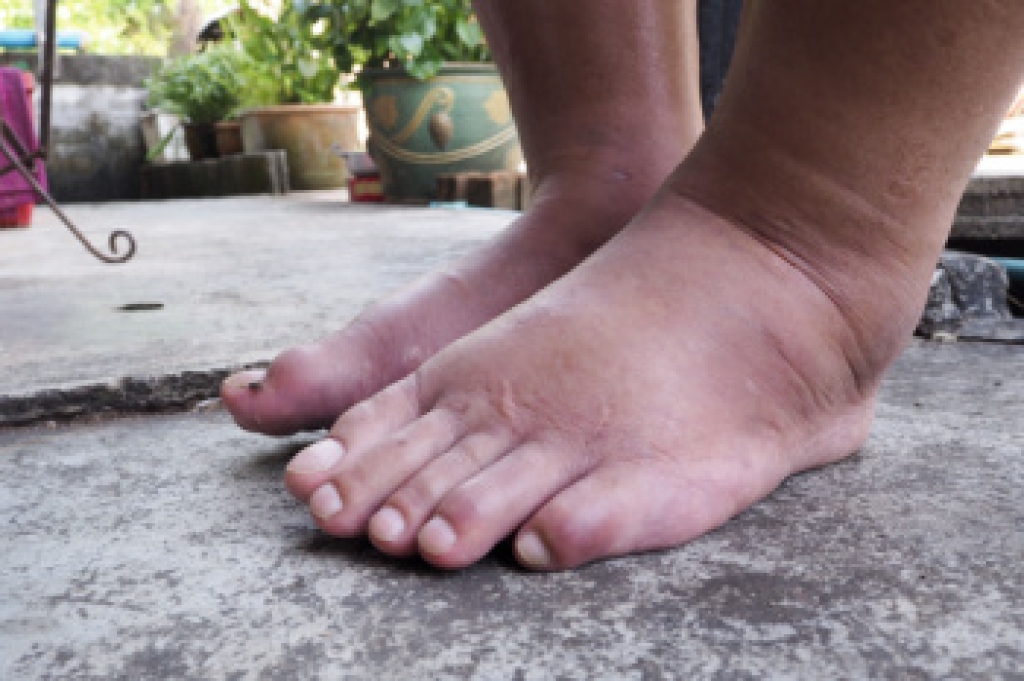
Swollen feet can not only be uncomfortable but also may signal underlying health issues that require attention. Common causes include diabetes, liver damage, kidney damage, or infections in the feet that lead to inflammation and fluid buildup. Swelling may present as tight, heavy, or tender feet and can interfere with daily activities. A podiatrist can help by identifying the root cause of the swelling, evaluating foot health, and recommending treatments to reduce discomfort and prevent complications. This may include specialized footwear, wound care, and exercises to improve circulation. Early intervention is key to protecting your feet and overall health. If you have swollen feet, it is suggested that you schedule an appointment with a podiatrist who can offer you effective relief and treatment solutions.

Swollen feet can be a sign of an underlying condition. If you have any concerns, contact Ambrose Su, DPM of Cascade Foot Clinic. Our doctor can provide the care you need to keep you pain-free and on your feet.

Swollen feet are a common ailment among pregnant women and people who stand or sit for extended periods. Aging may increase the possibility of swollen feet and patients who are obese often notice when their feet are swelling too. There may be medical reasons why swollen feet occur:

  • Phlebitis - A condition that causes the veins to become inflamed and can also cause leg pain.
  • Liver disease - This may lead to low blood levels of albumin which is a protein. This can cause fluid in the blood to pass into the tissues and several areas of the body can become swollen.
  • Heart failure - When the heart doesn’t pump properly the blood that is normally pumped back to the heart can pool in the veins of the legs causing swollen feet.
  • Kidney disease - One of the main functions of the kidneys is releasing excess fluid in the body. This type of condition can make it difficult for the kidneys to function properly, and as a result the feet may become swollen.
  • Deep-vein thrombosis (DVT)- This is a serious condition where blood clots form in the veins of the legs. They can block the return of blood from the legs to the heart which may cause the feet to swell. It is important to be treated by a podiatrist if this condition is present.

Swollen feet can also be caused by bone and tendon conditions, including fractures, arthritis, and tendinitis. Additionally, there may be skin and toenail conditions and an infection may cause the feet to swell. Patients who take medicine to treat high blood pressure may be prone to getting swollen feet. 

Many patients elevate their feet to help relieve the swelling and this is generally a temporary remedy. When a podiatrist is consulted the reason behind the swelling can be uncovered and subsequently treated.

If you have any questions please contact our office located in Bend, OR . We offer the newest diagnostic and treatment technologies for all your foot and ankle needs.

Read more about Swelling of the Feet

When to Choose Surgery for Hammertoe

Surgery to correct hammertoe is often considered when the condition causes persistent pain, stiffness, or deformity that interferes with walking. A hammertoe occurs when the middle joint of a toe bends downward, often affecting the second toe. One common surgical method is phalangeal head resection, in which part of the bone at the joint is removed so the toe can lie flat. Tendons are released and repositioned to match the corrected alignment, and the toe is held in place with a wire or tape while it heals. In some cases, an implant may be used to replace the removed bone segment. Following hammertoe surgery, special shoes are usually required, and full recovery time varies depending on healing. Risks can include infection, swelling, numbness, and stiffness in the toe. A podiatrist can evaluate the severity of the deformity and recommend surgery, when necessary. If you are considering surgery for hammertoe, it is suggested that you schedule an appointment with a podiatrist for expert advice and guidance.

Hammertoe

Hammertoes can be a painful condition to live with. For more information, contact Ambrose Su, DPM from Cascade Foot Clinic. Our doctor will answer any of your foot- and ankle-related questions.

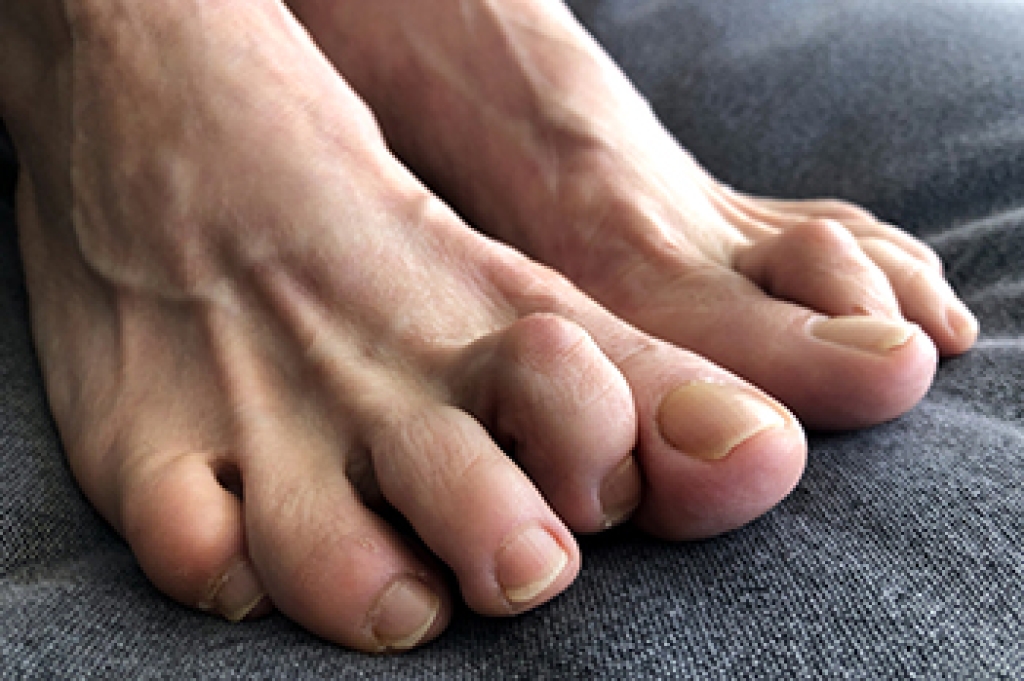
Hammertoe is a foot deformity that affects the joints of the second, third, fourth, or fifth toes of your feet. It is a painful foot condition in which these toes curl and arch up, which can often lead to pain when wearing footwear.

Symptoms

  • Pain in the affected toes
  • Development of corns or calluses due to friction
  • Inflammation
  • Redness
  • Contracture of the toes

Causes

Genetics – People who are genetically predisposed to hammertoe are often more susceptible

Arthritis – Because arthritis affects the joints in your toes, further deformities stemming from arthritis can occur

Trauma – Direct trauma to the toes could potentially lead to hammertoe

Ill-fitting shoes – Undue pressure on the front of the toes from ill-fitting shoes can potentially lead to the development of hammertoe

Treatment

Orthotics – Custom made inserts can be used to help relieve pressure placed on the toes and therefore relieve some of the pain associated with it

Medications – Oral medications such as anti-inflammatories or NSAIDs could be used to treat the pain and inflammation hammertoes causes. Injections of corticosteroids are also sometimes used

Surgery – In more severe cases where the hammertoes have become more rigid, foot surgery is a potential option

If you have any questions, please feel free to contact our office located in Bend, OR . We offer the newest diagnostic and treatment technologies for all your foot care needs.
Read more about What Are Hammertoes?

Connect With Us