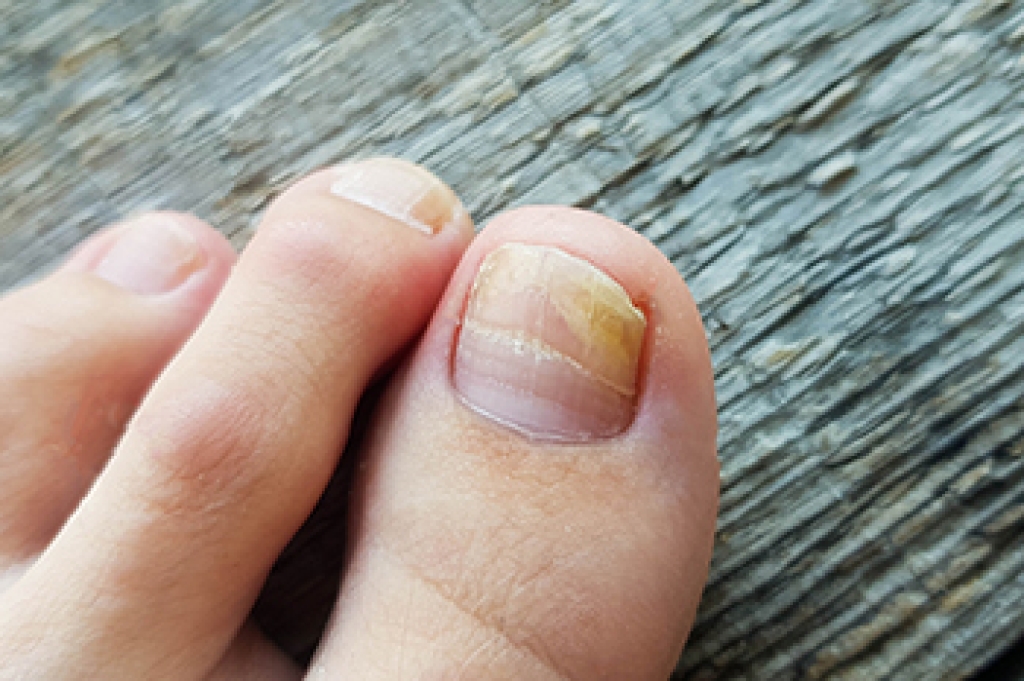
Symptoms and Risk Factors for Toenail Fungus

Toenail fungus, also known as onychomycosis, is a fungal infection affecting the toenails. It typically begins as a white or yellow spot under the tip of the nail and can spread deeper into the nail over time, causing discoloration, thickening, and crumbling of the nail edges. Risk factors for toenail fungus include frequent exposure to warm and moist environments such as public showers, wearing tight-fitting shoes, and having a weakened immune system. Symptoms may include a foul odor from the infected nail, pain or discomfort, and difficulty trimming the nail due to its thickness. If left untreated, toenail fungus can lead to permanent damage to the nail bed and spread to other nails or skin. The chances of recovery increase when treated early. If you have toenail fungus, it is suggested that you contact a podiatrist where you can receive expert treatment for this condition.

For more information about treatment, contact Ambrose Su, DPM of Cascade Foot Clinic. Our doctor can provide the care you need to keep you pain-free and on your feet.

Toenail Fungus Treatment

Toenail fungus is a condition that affects many people and can be especially hard to get rid of. Fortunately, there are several methods to go about treating and avoiding it.

Antifungals & Deterrence

Oral antifungal medicine has been shown to be effective in many cases. It is important to consult with a podiatrist to determine the proper regiment for you, or potentially explore other options.

Applying foot powder on the feet and shoes helps keep the feet free of moisture and sweat.

Sandals or open toed shoes – Wearing these will allow air movement and help keep feet dry. They also expose your feet to light, which fungus cannot tolerate. Socks with moisture wicking material also help as well.

If you have any questions please contact our office located in Bend, OR . We offer the newest diagnostic and treatment technologies for all your foot and ankle needs.


Read more about Treating Toenail Fungus

Fight Against Weak Ankles

Ankle strengthening involves exercises designed to improve the stability and strength of the ankle joint. Key exercises include calf raises, where you lift your heels off the ground while standing, and ankle circles, which involve rotating the ankle in both directions to enhance flexibility. Resistance band exercises, such as dorsiflexion and plantarflexion, target specific muscles around the ankle. Having strong ankles is vital for overall fitness, as they provide support and stability, reducing the risk of injuries during physical activities. Strong ankles improve balance and agility, essential for sports and daily activities. Regularly incorporating ankle strengthening exercises into your routine ensures better performance and prevents common issues like sprains. If you have endured an ankle injury, it is suggested that you consult a podiatrist who can offer you successful treatment solutions, in addition to guiding you on effective ankle-strengthening exercises.

Exercising your feet regularly with the proper foot wear is a great way to prevent injuries and build strength. If you have any concerns about your feet, contact Ambrose Su, DPM from Cascade Foot Clinic. Our doctor can provide the care you need to keep you pain-free and on your feet.

Exercise for Your Feet

Exercise for your feet can help you gain strength, mobility and flexibility in your feet. They say that strengthening your feet can be just as rewarding as strengthening another part of the body. Your feet are very important, and we often forget about them in our daily tasks. But it is because of our feet that are we able to get going and do what we need to. For those of us fortunate enough to not have any foot problems, it is an important gesture to take care of them to ensure good health in the long run.

Some foot health exercises can include ankle pumps, tip-toeing, toe rises, lifting off the floor doing reps and sets, and flexing the toes. It is best to speak with Our doctor to determine an appropriate regimen for your needs. Everyone’s needs and bodies are different, and the activities required to maintain strength in the feet vary from individual to individual. 

Once you get into a routine of doing regular exercise, you may notice a difference in your feet and how strong they may become.

If you have any questions, please feel free to contact our office located in Bend, OR . We offer the newest diagnostic and treatment technologies for all your foot care needs.

Read more about Exercise for Your Feet

Wounds That Don't Heal Need to Be Checked

Your feet are covered most of the day. If you're diabetic, periodic screening is important for good health. Numbness is often a sign of diabetic foot and can mask a sore or wound.

How Flip Flops Modify Ankle Biomechanics

Wearing flip-flops can significantly alter ankle biomechanics and foot-loading patterns, leading to various potential foot problems. Unlike supportive shoes, flip-flops lack arch support, cushioning, and stability. This minimalistic design forces the wearer to grip the footwear with their toes, causing unnatural foot mechanics. As a result, the ankle and surrounding muscles compensate for the instability, which can lead to altered gait patterns and increased strain on the lower leg. This compensation can cause overuse injuries, such as tendonitis or plantar fasciitis. Furthermore, the lack of support in flip-flops often results in uneven weight distribution across the foot. Typically, more pressure is placed on the heel and ball of the foot, which can lead to discomfort and pain over time. If you have endured foot pain or have developed a foot condition from wearing flip-flops, it is suggested that you consult a podiatrist who can offer relief methods and guide you toward wearing more supportive shoes.

Flip-flops can cause a lot of problems for your feet. If you have any concerns about your feet or ankles, contact Ambrose Su, DPM from Cascade Foot Clinic. Our doctor will assist you with all of your foot and ankle needs.

Flip-Flops and Feet

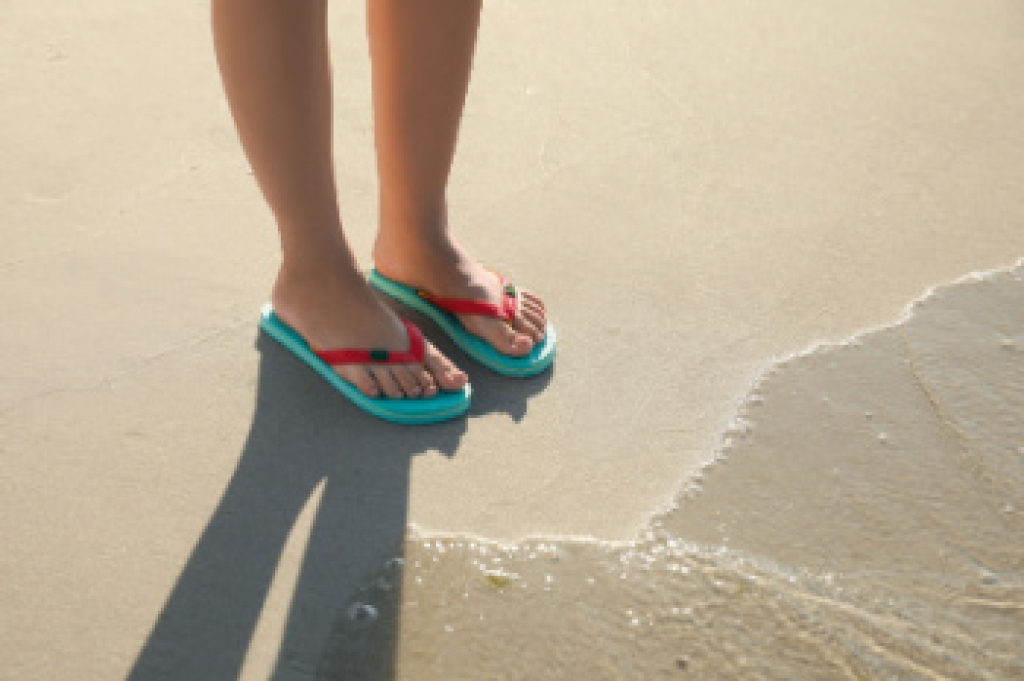
Flip-flops have managed to become a summer essential for a lot of people. While the shoes may be stylish and easy to slip on and off, they can be dangerous to those who wear them too often. These shoes might protect you from fungal infections such as athlete’s foot, but they can also give you foot pain and sprained ankles if you trip while wearing them.

When Are They Okay to Wear?

Flip-flops should only be worn for very short periods of time. They can help protect your feet in places that are crawling with fungi, such as gym locker rooms. Athlete’s foot and plantar warts are two common fungi that flip-flops may help protect your feet against.

Why Are They Bad for My Feet?

These shoes do not offer any arch support, so they are not ideal for everyday use. They also do not provide shock absorption or heel cushioning which can be problematic for your feet. Additionally, you may suffer from glass cuts, puncture wounds, and stubbed toes since they offer little protection for your feet.

More Reasons Why They Are Bad for Your Feet

  • They Slow You Down
  • May Cause Blisters and Calluses
  • Expose Your Feet to Bacteria

If you have any questions, please feel free to contact our office located in Bend, OR . We offer the newest diagnostic and treatment technologies for all your foot care needs.

Read more about Flip Flops and Your Feet

Foot Stretches and Tips to Prevent Pickleball Injuries

Stretching is essential for pickleball players to prevent foot and ankle injuries. Incorporating calf raises into your routine strengthens the muscles, improving stability and reducing the risk of strains. Toe touches stretch the hamstrings and lower back, enhancing flexibility and overall mobility. Regular stretching increases blood flow to the muscles, which can help in quicker recovery and reduced muscle soreness. It also improves range of motion, making movements on the court more efficient and less prone to injury. By dedicating time to these stretches, players can maintain their performance and enjoy the game with a lower risk of foot and ankle issues. Stretching not only prepares the body for the physical demands of pickleball but also contributes to long-term joint and muscle health. If you have developed a foot or ankle injury while playing pickleball, it is suggested that you visit a podiatrist who can offer effective treatment options, and guide you on additional stretches.

Ankle and foot injuries are common among athletes and in many sports. They can be caused by several problems and may be potentially serious. If you are feeling pain or think you were injured in a sporting event or when exercising, consult with Ambrose Su, DPM from Cascade Foot Clinic. Our doctor will assess your condition and provide you with quality foot and ankle treatment.

Common Injuries

The most common injuries that occur in sporting activities include:

  • Achilles Tendonitis
  • Achilles Tendon Rupture
  • Ankle Sprains
  • Broken Foot
  • Plantar Fasciitis
  • Stress Fractures
  • Turf Toe

Symptoms

Symptoms vary depending upon the injury and in some cases, there may be no symptoms at all. However, in most cases, some form of symptom is experienced. Pain, aching, burning, bruising, tenderness, tightness or stiffness, sensation loss, difficulty moving, and swelling are the most common symptoms.

Treatment

Just as symptoms vary depending upon the injury, so do treatment options. A common treatment method is known as the RICE method. This method involves rest, applying ice, compression and elevating the afflicted foot or ankle. If the injury appears to be more serious, surgery might be required, such as arthroscopic or reconstructive surgery. Lastly, rehabilitation or therapy might be needed to gain full functionality in the afflicted area. Any discomfort experienced by an athlete must be evaluated by a licensed, reputable medical professional.  

If you have any questions please contact our office located in Bend, OR . We offer the newest diagnostic and treatment technologies for all your foot and ankle needs.
Read more about Sports Related Foot and Ankle Injuries

Connect With Us