Items filtered by date: November 2025
Helping Your Toddler Transition from Barefoot to Wearing Shoes

Transitioning a toddler from walking barefoot to wearing shoes should be done gradually to support healthy foot development. Toddlers benefit from walking barefoot while learning to walk because it helps them build balance and strength. When indoors, thick socks can provide protection without restricting natural movement. Once they are steady on their feet, have them professionally fitted for shoes that are soft, flexible, and comfortable. New shoes are often needed every two to four months as toddlers grow quickly. A podiatrist can guide parents on proper shoe choices, evaluate foot development, and address any concerns that may arise during this stage. If you want to ensure your toddler has the best start for healthy feet, it is suggested that you schedule a podiatric appointment today for expert support.
The health of a child’s feet is vital to their overall well-being. If you have any questions regarding foot health, contact one of our podiatrists of Cascade Foot Clinic. Our doctors can provide the care you need to keep you pain-free and on your feet.
Tips for Keeping Children's Feet Healthy
- Make sure their shoes fit properly
- Look for any signs of in-toeing or out-toeing
- Check to see if they have Clubfoot (condition that affects your child’s foot and ankle, twisting the heel and toes inward) which is one of the most common nonmajor birth defects.
- Lightly cover your baby’s feet (Tight covers may keep your baby from moving their feet freely, and could prevent normal development)
- Allow your toddler to go shoeless (Shoes can be restricting for a young child’s foot)
- Cut toenails straight across to avoid ingrown toenails
- Keep your child’s foot clean and dry
- Cover cuts and scrapes. Wash any scratches with soap and water and cover them with a bandage until they’ve healed.
If you have any questions, please feel free to contact our offices located in Bend and Redmond, OR . We offer the newest diagnostic and treatment technologies for all your foot care needs.
When Toenails Begin to Grow Upward

Toenails do not always grow in the direction we expect. In some people, the nail begins to curve and lift upward instead of lying flat. This change may be the result of repeated trauma, fungal infections, or simply inherited nail shape. Shoes that press on the toes or years of pressure from certain activities can also contribute. While upward growing nails are not always painful, they can catch on socks, cause discomfort in shoes, or become thick and difficult to trim. Treatment often depends on the cause. Fungal infections may require antifungal therapy, while nails that are thick or misshapen may need to be smoothed or reduced by a podiatrist. Keeping nails trimmed carefully and wearing well fitted footwear can help to manage the problem. If your toenails are growing upward and are becoming bothersome, it is suggested that you consult a podiatrist for guidance and appropriate care.
Some foot conditions may require additional professional care. If you have any concerns, contact one of our podiatrists of Cascade Foot Clinic. Our doctors can provide the care you need to keep you pain-free and on your feet.
Rare Foot Conditions
The majority of foot conditions are common and can be treated by a podiatrist. Standard diagnostic procedures are generally used to identify specific conditions and treatment can be rendered. A podiatrist also treats rare foot conditions which can be difficult to diagnose and may need extra attention and care.
There are many rare foot conditions that can affect children. Some of these can include:
- Freiberg’s disease
- Kohler’s disease
- Maffucci syndrome
Freiberg’s disease - This can be seen as a deterioration and flattening of a metatarsal bone that exists in the ball of the foot. It typically affects pre-teen and teenage girls, but can affect anyone at any age. Symptoms that can accompany this can be swelling, stiffness, and the patient may limp.
Kohler’s disease - This often targets the bone in the arch of the foot and affects younger boys. It can lead to an interruption of the blood supply which ultimately can lead to bone deterioration. The patient may limp or experience tenderness, swelling, and redness.
Maffucci syndrome - This affects the long bones in a child’s foot leading to the development of abnormal bone lesions. They are benign growths and typically develop in early childhood and the bones may be susceptible to breaking.
A podiatrist can properly diagnose and treat all types of rare foot conditions. If your child is affected by any of these symptoms or conditions, please don’t hesitate to call our office so the correct treatment method can begin.
If you have any questions, please feel free to contact our offices located in Bend and Redmond, OR . We offer the newest diagnostic and treatment technologies for all your foot care needs.
Are Bunions Affecting Your Everyday Life?
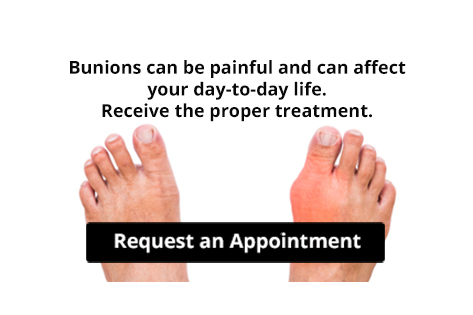
Have you noticed a bony protrusion on the side of your big toe? If so, you may have developed the foot condition known as a bunion. Don't let bunions interfere with your daily activities.
Corns and Calluses: Similar Yet Different

Corns and calluses are very similar in that they both involve a thickening of skin on the feet and are caused by friction or pressure. What makes them different are their sizes and where they develop on the feet. Corns are smaller, rounder, and they usually show up on the soles of the foot as well as on the sides and tops of the toes. Calluses are larger, yellowish, and typically are found on the balls of the foot. Removing or greatly reducing the source of friction, as well as certain topical treatments may help to dissolve corns and calluses. In severe cases, or when the patient has diabetes or poor circulation, consultation with a podiatrist is suggested.
Corns can make walking very painful and should be treated immediately. If you have questions regarding your feet and ankles, contact one of our podiatrists of Cascade Foot Clinic. Our doctors will treat your foot and ankle needs.
Corns: What Are They? And How Do You Get Rid of Them?
Corns are thickened areas on the skin that can become painful. They are caused by excessive pressure and friction on the skin. Corns press into the deeper layers of the skin and are usually round in shape.
Ways to Prevent Corns
There are many ways to get rid of painful corns such as:
- Wearing properly fitting shoes that have been measured by a professional
- Wearing shoes that are not sharply pointed or have high heels
- Wearing only shoes that offer support
Treating Corns
Although most corns slowly disappear when the friction or pressure stops, this isn’t always the case. Consult with your podiatrist to determine the best treatment option for your case of corns.
If you have any questions, please feel free to contact our offices located in Bend and Redmond, OR . We offer the newest diagnostic and treatment technologies for all your foot care needs.
Foot and Ankle Injuries Common to Football Players

Football players are at high risk for foot and ankle injuries, with lateral ankle sprains being the most common. These occur when the ankle twists outward, stretching or tearing ligaments on the outer side of the ankle. Symptoms include pain, swelling, bruising, and difficulty bearing weight. Risk factors include previous ankle injuries, inadequate warm up, uneven playing surfaces, and ill-fitting footwear. A podiatrist can provide a thorough evaluation, recommend bracing or taping, design rehabilitation exercises to restore strength and stability, and guide a safe return to play. Early treatment prevents chronic instability and long term complications. If you have injured your ankle, it is suggested that you consult a podiatrist who can offer effective treatment solutions and prevention tips.
Ankle and foot injuries are common among athletes and in many sports. They can be caused by several problems and may be potentially serious. If you are feeling pain or think you were injured in a sporting event or when exercising, consult with one of our podiatrists from Cascade Foot Clinic. Our doctors will assess your condition and provide you with quality foot and ankle treatment.
Common Injuries
The most common injuries that occur in sporting activities include:
- Achilles Tendonitis
- Achilles Tendon Rupture
- Ankle Sprains
- Broken Foot
- Plantar Fasciitis
- Stress Fractures
- Turf Toe
Symptoms
Symptoms vary depending upon the injury and in some cases, there may be no symptoms at all. However, in most cases, some form of symptom is experienced. Pain, aching, burning, bruising, tenderness, tightness or stiffness, sensation loss, difficulty moving, and swelling are the most common symptoms.
Treatment
Just as symptoms vary depending upon the injury, so do treatment options. A common treatment method is known as the RICE method. This method involves rest, applying ice, compression and elevating the afflicted foot or ankle. If the injury appears to be more serious, surgery might be required, such as arthroscopic or reconstructive surgery. Lastly, rehabilitation or therapy might be needed to gain full functionality in the afflicted area. Any discomfort experienced by an athlete must be evaluated by a licensed, reputable medical professional.
If you have any questions please contact our offices located in Bend and Redmond, OR . We offer the newest diagnostic and treatment technologies for all your foot and ankle needs.
