Items filtered by date: February 2026
Types of Fungal Toenail Infections
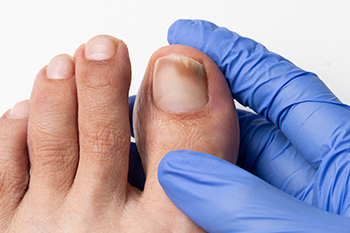
Fungal toenail infections develop when microscopic fungi enter small cracks in the nail or surrounding skin and slowly multiply in the warm, moist environment inside shoes. Several distinct types affect toenails. A distal subungual infection is the most common. It begins at the tip or sides, causing yellow or white streaks and thickening beneath the nail. White superficial infection involves the surface layers, producing chalky patches that make the nail rough and crumbly. Proximal subungual infection starts near the cuticle and spreads outward. It is sometimes linked with weakened immunity or prior injury. Yeast-related infections may inflame the surrounding tissue and loosen the nail from its bed. A podiatrist confirms the diagnosis using nail samples and determines the specific organism before prescribing medical antifungal therapy, nail procedures, or advanced management for damaged nails. If you have a fungal toenail infection, it is suggested that you make an appointment with a podiatrist for an exam, diagnosis, and treatment.
For more information about treatment, contact one of our podiatrists of Cascade Foot Clinic. Our doctors can provide the care you need to keep you pain-free and on your feet.
Toenail Fungus Treatment
Toenail fungus is a condition that affects many people and can be especially hard to get rid of. Fortunately, there are several methods to go about treating and avoiding it.
Antifungals & Deterrence
Oral antifungal medicine has been shown to be effective in many cases. It is important to consult with a podiatrist to determine the proper regiment for you, or potentially explore other options.
Applying foot powder on the feet and shoes helps keep the feet free of moisture and sweat.
Sandals or open toed shoes – Wearing these will allow air movement and help keep feet dry. They also expose your feet to light, which fungus cannot tolerate. Socks with moisture wicking material also help as well.
If you have any questions please contact our offices located in Bend and Redmond, OR . We offer the newest diagnostic and treatment technologies for all your foot and ankle needs.
Have I Broken My Toe?

Toe fractures are breaks or cracks in one or more of the small bones of the toes, often resulting from trauma, stubbing, dropping a heavy object on it, or sports injuries. Symptoms typically include pain, swelling, bruising, difficulty walking, and sometimes visible deformity of the toe. Risk factors that increase the likelihood of toe fractures include participating in high-impact activities, having weak bones, or wearing improper footwear that does not protect the toes. Untreated fractures can lead to chronic pain, joint stiffness, or improper healing. A podiatrist can accurately diagnose toe fractures, provide proper immobilization, recommend pain management, and create a treatment plan to ensure correct healing. If you think you have broken your toe, it is suggested that you promptly consult a podiatrist who can offer effective treatment solutions that are right for you.
Broken toes may cause a lot of pain and should be treated as soon as possible. If you have any concerns about your feet, contact one of our podiatrists from Cascade Foot Clinic. Our doctors will treat your foot and ankle needs.
What Is a Broken Toe?
A broken toe occurs when one or more of the toe bones of the foot are broken after an injury. Injuries such as stubbing your toe or dropping a heavy object on it may cause a toe fracture.
Symptoms of a Broken Toe
- Swelling
- Pain (with/without wearing shoes)
- Stiffness
- Nail Injury
Although the injured toe should be monitored daily, it is especially important to have a podiatrist look at your toe if you have severe symptoms. Some of these symptoms include worsening or new pain that is not relieved with medication, sores, redness, or open wounds near the toe.
If you have any questions please feel free to contact our offices located in Bend and Redmond, OR . We offer the newest diagnostic tools and technology to treat your foot and ankle needs.
Plantar Warts Can Be Treated!

Plantar warts are small growths that develop on parts of the feet that bear weight. They're typically found on the bottom of the foot. Don't live with plantar warts, and call us today!
How Corns and Calluses Differ
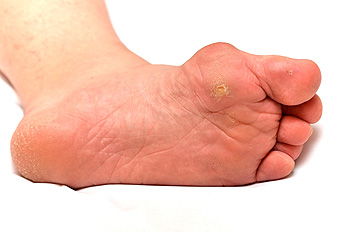
Corns and calluses both develop when the skin on the feet is exposed to repeated pressure, but they are not the same. A corn is a small, cone-shaped bump that often appears on the top of a toe, usually over a joint, and it can feel sore when touched. Corns between the toes are softer because the skin stays moist in that area. A callus is a wider, flatter patch of thick skin that often forms on the ball of the foot or the sides of the feet where weight and rubbing increase. Calluses rarely hurt unless they become very thick. A podiatrist can tell the difference by looking at the size, shape, and location of the hardened skin. Treatment options for a painful corn include reducing pressure on the toe, removing the hardened center, and safely trimming the thickened skin. If you have a painful corn on your foot, it is suggested that you schedule an appointment with a podiatrist for a diagnosis and safe, sterile treatment.
If you have any concerns regarding your feet and ankles, contact one of our podiatrists of Cascade Foot Clinic. Our doctors will treat your foot and ankle needs.
Corns: What Are They? and How Do You Get Rid of Them?
Corns can be described as areas of the skin that have thickened to the point of becoming painful or irritating. They are often layers and layers of the skin that have become dry and rough, and are normally smaller than calluses.
Ways to Prevent Corns
There are many ways to get rid of painful corns such as wearing:
- Well-fitting socks
- Comfortable shoes that are not tight around your foot
- Shoes that offer support
Treating Corns
Treatment of corns involves removing the dead skin that has built up in the specific area of the foot. Consult with Our doctors to determine the best treatment option for your case of corns.
If you have any questions, please feel free to contact our offices located in Bend and Redmond, OR . We offer the newest diagnostic and treatment technologies for all your foot care needs.
Foot Neuropathy and the Risk of Falling

Peripheral neuropathy affects the nerves that carry signals between the feet and the brain. When these nerves are damaged, sensation in the feet may become reduced, altered, or unpredictable. People may not fully feel the ground, notice changes in surface texture, or sense foot position during walking. This loss of feedback can interfere with balance and coordination, increasing the risk of tripping or falling. Muscle weakness and slower reaction times can further add to instability. A podiatrist plays an important role in evaluating nerve function and identifying contributing factors. Treatment may include footwear guidance, custom orthotics, balance-focused exercises, and strategies to protect numb areas of the feet. Early care helps improve safety, maintain confidence with walking, and reduce fall-related injuries that can significantly impact mobility and independence. If you are experiencing neuropathy in your lower extremities, it is suggested that you visit a podiatrist for relief options.
Neuropathy
Neuropathy can be a potentially serious condition, especially if it is left undiagnosed. If you have any concerns that you may be experiencing nerve loss in your feet, consult with one of our podiatrists from Cascade Foot Clinic. Our doctors will assess your condition and provide you with quality foot and ankle treatment for neuropathy.
What Is Neuropathy?
Neuropathy is a condition that leads to damage to the nerves in the body. Peripheral neuropathy, or neuropathy that affects your peripheral nervous system, usually occurs in the feet. Neuropathy can be triggered by a number of different causes. Such causes include diabetes, infections, cancers, disorders, and toxic substances.
Symptoms of Neuropathy Include:
- Numbness
- Sensation loss
- Prickling and tingling sensations
- Throbbing, freezing, burning pains
- Muscle weakness
Those with diabetes are at serious risk due to being unable to feel an ulcer on their feet. Diabetics usually also suffer from poor blood circulation. This can lead to the wound not healing, infections occurring, and the limb may have to be amputated.
Treatment
To treat neuropathy in the foot, podiatrists will first diagnose the cause of the neuropathy. Figuring out the underlying cause of the neuropathy will allow the podiatrist to prescribe the best treatment, whether it be caused by diabetes, toxic substance exposure, infection, etc. If the nerve has not died, then it’s possible that sensation may be able to return to the foot.
Pain medication may be issued for pain. Electrical nerve stimulation can be used to stimulate nerves. If the neuropathy is caused from pressure on the nerves, then surgery may be necessary.
If you have any questions, please feel free to contact our offices located in Bend and Redmond, OR . We offer the newest diagnostic and treatment technologies for all your foot care needs.
