Items filtered by date: April 2026

Tuesday, 28 April 2026 00:00

Explaining a Mid-Foot Stress Fracture

A mid-foot stress fracture is a small crack in one of the bones in the middle of the foot. It often affects the navicular bone, which helps support body weight when walking and running. This fracture develops gradually from repeated impact, such as running, jumping, or sudden increases in activity. Risk factors include training on a hard surface, foot alignment problems, and wearing shoes that lack adequate support. Symptoms include tenderness, swelling, and a deep, aching pain that worsens when bearing weight. Because signs can be subtle, the injury is sometimes missed without proper imaging. A podiatrist can examine the foot, check for areas of pain, and order imaging scans or X-rays to confirm the diagnosis. Treatment options include a cast, custom orthotics, or surgery in more severe cases. If you have symptoms of mid-foot pain, it is suggested that you make an appointment with a podiatrist for diagnosis and treatment.

Stress fractures occur when there is a tiny crack within a bone. To learn more, contact Ambrose Su, DPM from Cascade Foot Clinic. Our doctor can provide the care you need to keep you pain free and on your feet.

How Are They Caused?

Stress fractures are the result of repetitive force being placed on the bone. Since the lower leg and feet often carry most of the body’s weight, stress fractures are likely to occur in these areas. If you rush into a new exercise, you are more likely to develop a stress fracture since you are starting too much, too soon.  Pain resulting from stress fractures may go unnoticed at first, however it may start to worsen over time.

Risk Factors

  • Gender – They are more commonly found in women compared to men.
  • Foot Problems – People with unusual arches in their feet are more likely to develop stress fractures.
  • Certain Sports – Dancers, gymnasts, tennis players, runners, and basketball players are more likely to develop stress fractures.
  • Lack of Nutrients – A lack of vitamin D and calcium may weaken the bones and make you more prone to stress fractures
  • Weak Bones – Osteoporosis can weaken the bones therefore resulting in stress fractures

Stress fractures do not always heal properly, so it is important that you seek help from a podiatrist if you suspect you may have one. Ignoring your stress fracture may cause it to worsen, and you may develop chronic pain as well as additional fractures.

If you have any questions please contact our office located in Bend, OR . We offer the newest diagnostic and treatment technologies for all your foot and ankle needs.

Read more about Dealing with Stress Fractures of the Foot and Ankle

Hallux valgus is a condition where the big toe drifts toward the second toe, creating a bony bump at the joint called a bunion. Shoes that are tight, narrow, or high-heeled can place repeated pressure on the front of the foot. Over time, this pressure may push the big toe out of alignment and strain surrounding soft tissue. Stiff soles and poor arch support can also change how weight is distributed, adding stress to the forefoot. Not everyone who wears these styles will develop this problem, but they can increase risk, especially with genetics or flat feet. Choosing shoes with a wide toe box, supportive structure, and proper fit can help protect alignment and comfort. If you notice changes in your toe position or any pain, it is suggested that you see a podiatrist for evaluation and appropriate care.

If you are suffering from bunions, contact Ambrose Su, DPM of Cascade Foot Clinic. Our doctor can provide the care you need to keep you pain-free and on your feet.

What Is a Bunion?

A bunion is formed of swollen tissue or an enlargement of boney growth, usually located at the base joint of the toe that connects to the foot. The swelling occurs due to the bones in the big toe shifting inward, which impacts the other toes of the foot. This causes the area around the base of the big toe to become inflamed and painful.

Why Do Bunions Form?

Genetics – Susceptibility to bunions are often hereditary

Stress on the feet – Poorly fitted and uncomfortable footwear that places stress on feet, such as heels, can worsen existing bunions

How Are Bunions Diagnosed?

Podiatrists often perform two tests – blood tests and x-rays – when trying to diagnose bunions, especially in the early stages of development. Blood tests help determine if the foot pain is being caused by something else, such as arthritis, while x-rays provide a clear picture of your bone structure to your provider.

How Are Bunions Treated?

  • Refrain from wearing heels or similar shoes that cause discomfort
  • Select wider shoes that can provide more comfort and reduce pain
  • Anti-inflammatory and pain management drugs
  • Orthotics or foot inserts
  • Surgery

If you have any questions, please feel free to contact our office located in Bend, OR . We offer the newest diagnostic and treatment technologies for all your foot care needs.

Read more about Bunions
Friday, 17 April 2026 00:00

Reminder: When Was the Last Time...?

Custom orthotics, or shoe inserts, should be periodically replaced. Orthotics must fit properly to give you the best results. Protect your feet and ankles!

Tuesday, 14 April 2026 00:00

Feet That Itch and Burn

Athlete’s foot is a fungal infection that affects the skin of the feet, often starting between the toes. The skin may appear red, flaky, or cracked, and itching or burning sensations can become persistent. In some cases, the area may feel moist or develop small blisters, especially after wearing tight or non-breathable shoes. This condition thrives in warm, damp environments, such as locker rooms, sweaty footwear, or shared surfaces. It can spread easily and may worsen without proper care. A podiatrist can diagnose athlete’s foot through a clinical exam and recommend treatment based on severity. Care may include antifungal medications, improved foot hygiene, and guidance on keeping the feet dry and protected. Early treatment helps prevent the infection from spreading to the nails or other areas. If you have symptoms of athlete’s foot, it is suggested that you make an appointment with a podiatrist.

Athlete’s Foot

Athlete’s foot is often an uncomfortable condition to experience. Thankfully, podiatrists specialize in treating athlete’s foot and offer the best treatment options. If you have any questions about athlete’s foot, consult with Ambrose Su, DPM from Cascade Foot Clinic. Our doctor will assess your condition and provide you with quality treatment.

What Is Athlete’s Foot?

Tinea pedis, more commonly known as athlete’s foot, is a non-serious and common fungal infection of the foot. Athlete’s foot is contagious and can be contracted by touching someone who has it or infected surfaces. The most common places contaminated by it are public showers, locker rooms, and swimming pools. Once contracted, it grows on feet that are left inside moist, dark, and warm shoes and socks.

Prevention

The most effective ways to prevent athlete’s foot include:

  • Thoroughly washing and drying feet
  • Avoid going barefoot in locker rooms and public showers
  • Using shower shoes in public showers
  • Wearing socks that allow the feet to breathe
  • Changing socks and shoes frequently if you sweat a lot

Symptoms

Athlete’s foot initially occurs as a rash between the toes. However, if left undiagnosed, it can spread to the sides and bottom of the feet, toenails, and if touched by hand, the hands themselves. Symptoms include:

  • Redness
  • Burning
  • Itching
  • Scaly and peeling skin

Diagnosis and Treatment

Diagnosis is quick and easy. Skin samples will be taken and either viewed under a microscope or sent to a lab for testing. Sometimes, a podiatrist can diagnose it based on simply looking at it. Once confirmed, treatment options include oral and topical antifungal medications.

If you have any questions, please feel free to contact our office located in Bend, OR . We offer the newest diagnostic and treatment technologies for all your foot care needs.

Read more about Athlete's Foot
Tuesday, 07 April 2026 00:00

Risk Factors for Achilles Tendon Injuries
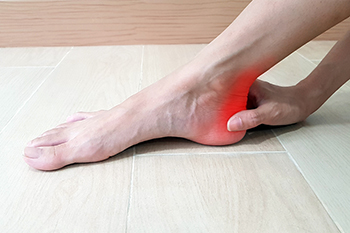
An Achilles tendon injury, commonly known as Achilles tendonitis, is a condition caused by inflammation of the tendon that connects the calf muscles to the heel. It often develops from overuse while walking and running. Symptoms include pain that is worse in the morning, swelling, and a warm to- the-touch sensation along the back of the ankle. Risk factors include tight calf muscles, improper footwear, and sudden increases in activity level. Without treatment, the condition can worsen and limit mobility. A podiatrist can provide diagnosis, recommend stretching and strengthening programs, and offer supportive care. If you have symptoms of this type of injury, it is suggested that you consult a podiatrist who can offer effective relief and treatment solutions.

Achilles tendon injuries need immediate attention to avoid future complications. If you have any concerns, contact Ambrose Su, DPM of Cascade Foot Clinic. Our doctor can provide the care you need to keep you pain-free and on your feet.

What Is the Achilles Tendon?

The Achilles tendon is a tendon that connects the lower leg muscles and calf to the heel of the foot. It is the strongest tendon in the human body and is essential for making movement possible. Because this tendon is such an integral part of the body, any injuries to it can create immense difficulties and should immediately be presented to a doctor.

What Are the Symptoms of an Achilles Tendon Injury?

There are various types of injuries that can affect the Achilles tendon. The two most common injuries are Achilles tendinitis and ruptures of the tendon.

Achilles Tendinitis Symptoms

  • Inflammation
  • Dull to severe pain
  • Increased blood flow to the tendon
  • Thickening of the tendon

Rupture Symptoms

  • Extreme pain and swelling in the foot
  • Total immobility

Treatment and Prevention

Achilles tendon injuries are diagnosed by a thorough physical evaluation, which can include an MRI. Treatment involves rest, physical therapy, and in some cases, surgery. However, various preventative measures can be taken to avoid these injuries, such as:

  • Thorough stretching of the tendon before and after exercise
  • Strengthening exercises like calf raises, squats, leg curls, leg extensions, leg raises, lunges, and leg presses

If you have any questions please feel free to contact our office located in Bend, OR . We offer the newest diagnostic tools and technology to treat your foot and ankle needs.

Read more about Achilles Tendon Injuries

Connect With Us