
How to Determine If You Have Flat Feet
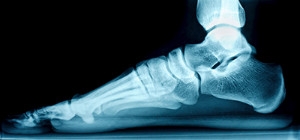
 Research has indicated there is a simple process to determine if you have flat feet. This is done by standing on a hard surface, and observing if your entire foot lies flat on the ground. When the inside of the foot is slightly elevated, it typically indicates that arches are present. There are common symptoms that are often associated with flat feet. These can include general foot pain and fatigue, increased risk of ankle injuries, and it may be difficult to balance and walk. It may be beneficial to wear orthotics which can help to support your feet and help to diminish aches and pains. If you have been born with flat feet, or have incurred this condition from an injury, it is strongly suggested that you are under the care of a podiatrist.
Flatfoot is a condition many people suffer from. If you have flat feet, contact Ambrose Su, DPM from Cascade Foot Clinic. Our doctor will treat your foot and ankle needs.
What Are Flat Feet?
Flatfoot is a condition in which the arch of the foot is depressed and the sole of the foot is almost completely in contact with the ground. About 20-30% of the population generally has flat feet because their arches never formed during growth.
Conditions & Problems:
Having flat feet makes it difficult to run or walk because of the stress placed on the ankles.
Alignment – The general alignment of your legs can be disrupted, because the ankles move inward which can cause major discomfort.
Knees – If you have complications with your knees, flat feet can be a contributor to arthritis in that area.
Symptoms
- Pain around the heel or arch area
- Trouble standing on the tip toe
- Swelling around the inside of the ankle
- Flat look to one or both feet
- Having your shoes feel uneven when worn
Treatment
If you are experiencing pain and stress on the foot you may weaken the posterior tibial tendon, which runs around the inside of the ankle.
If you have any questions, please feel free to contact our office located in Bend, OR . We offer the newest diagnostic and treatment technologies for all your foot care needs.
Flat Feet
Flatfoot is a condition that occurs when the arches on the foot are flattened, which allows the soles of the feet to touch the floor. Flatfoot is a common condition and it is usually painless.
Throughout childhood, most people begin to develop arches in their feet, however, some do not. Those who do not develop arches are left with flatfoot. The pain associated with flat feet is usually at its worse when engaging in activity. Another symptom that may occur with those who have this condition is swelling along the inside of the ankle.
It is also possible to have flexible flatfoot. Flexible flatfoot occurs when the arch is visible while sitting or standing on the tiptoes, but it disappears when standing. People who have flexible flatfoot are often children and most outgrow it without any problems.
There are some risk factors that may make you more likely to develop flatfoot. Those who have diabetes and rheumatoid arthritis have an increased risk of flatfoot development. Other factors include aging and obesity.
Diagnosis for flat feet is usually done by a series of tests by your podiatrist. Your podiatrist will typically try an x-ray, CT scan, ultrasound, or MRI on the feet. Treatment is usually not necessary for flat foot unless it causes pain. However, therapy is often used for those who experience pain in their flat feet. Some other suggested treatment options are arch supports, stretching exercises, and supportive shoes.
What is a Common Source of Heel Pain?
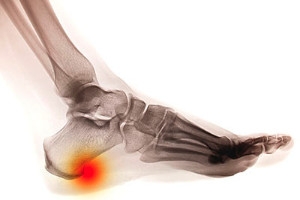
 One common cause of heel pain is a foot condition known as a heel spur. With this condition, it’s common to notice redness and swelling around the affected heel. A heel spur is defined as a bone growth found in the heel, and it’s typically diagnosed by having an x-ray performed. The pain felt with this condition is usually noticed when one is walking, running, jogging, or partaking in other physical activities. To help ease the discomfort of this condition, it may be beneficial to rest the affected foot and to apply a cold compress on the heel. If you’re experiencing extreme pain in your heel, it’s important to get a professional diagnosis. It’s suggested that you speak with a podiatrist to help advise you on a proper treatment plan.
Heel spurs can be incredibly painful and sometimes may make you unable to participate in physical activities. To get medical care for your heel spurs, contact Ambrose Su, DPM from Cascade Foot Clinic. Our doctor will do everything possible to treat your condition.
Heels Spurs
Heel spurs are formed by calcium deposits on the back of the foot where the heel is. This can also be caused by small fragments of bone breaking off one section of the foot, attaching onto the back of the foot. Heel spurs can also be bone growth on the back of the foot and may grow in the direction of the arch of the foot.
Older individuals usually suffer from heel spurs and pain sometimes intensifies with age. One of the main condition's spurs are related to is plantar fasciitis.
Pain
The pain associated with spurs is often because of weight placed on the feet. When someone is walking, their entire weight is concentrated on the feet. Bone spurs then have the tendency to affect other bones and tissues around the foot. As the pain continues, the feet will become tender and sensitive over time.
Treatments
There are many ways to treat heel spurs. If one is suffering from heel spurs in conjunction with pain, there are several methods for healing. Medication, surgery, and herbal care are some options.
If you have any questions, please feel free to contact our office located in Bend, OR . We offer the newest diagnostic and treatment technologies for all your foot care needs.
How to Treat Heel Spurs
Heel spurs are calcium deposits that cause bone protrusions on the heel bone. Heel spurs are usually associated with plantar fasciitis, which occurs when the plantar fasciitis in the foot becomes inflamed. Typically, heel spurs don’t cause any symptoms. However, they can produce chronic or intermittent heel pain. Those who have had the condition often describe the irritation as a stabbing pain.
There are risk factors that may make you more likely to develop heel spurs. People who have abnormal walking gaits, run and jog on hard surfaces, are obese, or wear poorly fitting shoes are more likely to develop heel spurs.
Fortunately, there are precautions you can take to avoid developing heel spurs. One of the best ways to do this is by wearing well-fitting shoes with shock-absorbent soles. Another preventative technique is to choose running shoes if you plan on running, and walking shoes if you plan on walking. Shoes are made for different activities and it is important to research a shoe before you purchase a pair.
The pain associated with heel spurs often decreases the more you walk. However, a recurrence of pain after an extended period of rest or walking is likely to occur with this condition. Those with severe heel spur pain may opt to go the surgical route for treatment. However, more than 90% of those with the condition get better without surgical treatment. If you have a heel spur and want to know if surgery is right for you, you should go to your podiatrist and he or she will be able to conduct a pre-surgical test or exam to determine if you are an optimal candidate for surgery.
Is MLS Effective?
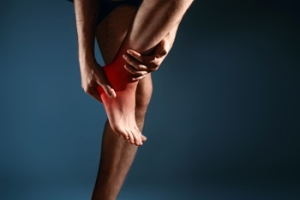
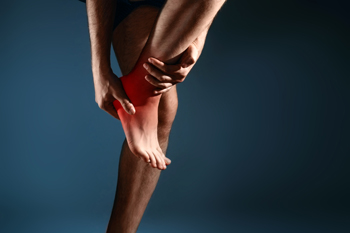 Patients who have chronic pain from specific foot conditions may be interested in learning about a treatment that is known as MLS laser therapy. It is defined as using wavelengths of light to possibly treat joint conditions, and injuries that have occurred to the tendons and ligaments. Additionally, it may help to reduce inflammation. After several treatments of approximately eight minutes each, swelling and pain may be diminished. Research has indicated the benefits of using MLS therapy may include faster healing of sprains, wounds, foot ulcers, and blood circulation may be improved. If you have chronic foot pain and are interested in learning more about MLS therapy, it is suggested that you consult with a podiatrist.
MLS Laser Therapy is a successful alternative for treating any pain you may be experiencing related to certain podiatric conditions. If you are interested in MLS Laser Therapy, consult with Ambrose Su, DPM from Cascade Foot Clinic. Our doctor will assess your condition and provide you with quality foot and ankle treatment.
MLS Laser Therapy
Multiwave Locked System (MLS) Laser Therapy is a patented, FDA-cleared technology that helps relieve pain and inflammation from a number of podiatric conditions, including:
- Heel Pain
- Plantar Fasciitis
- Sports Injuries
- Wounds
- Achilles Tendonitis
- Arthritis
- Neuropathy
- Neuromas
MLS Laser Therapy is an ideal alternative to surgery and prescription medication, as it has no negative side effects and encourages accelerated healing. Among its many clinical benefits, MLS Laser Therapy also:
- Reduces swelling due to bruising or inflammation
- Blocks pain
- Reduces formation of scar tissue
- Improves nerve function
If you have any questions, please feel free to contact our office located in Bend, OR . We offer the newest diagnostic and treatment technologies for all your foot care needs.
MLS Laser Therapy
MLS Laser Therapy is an FDA-approved technology designed to treat various painful conditions. It is often sought out as a successful alternative to surgical treatment and prescription medication that may otherwise bring about negative side effects. During MLS Laser Therapy, light energy enters the damaged cells to stimulate intercellular activity, reducing pain in the affected area and accelerating the recovery process.
MLS Laser Therapy is used in podiatry to treat various conditions. These include heel pain, plantar fasciitis, sports injuries, wounds, Achilles tendonitis, arthritis, neuromas, neurological pain, musculoskeletal disorders, and sore muscles. Aside from the specific conditions MLS Laser Therapy treats, patients can also gain from the treatment’s general benefits. These benefits include a rapid relief of pain, the reduction of swelling caused by inflammation or bruising, faster healing, improved blood circulation, the reduction of scar tissue, and improved nerve function.
MLS Laser Therapy is a non-surgical treatment with no side effects. The treatment process is painless and typically takes a short amount of time to complete. Several treatments may be required depending on the specific condition.
What Is ESWT?

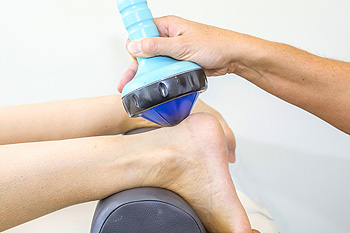 The medical procedure that is known as extracorporeal shock wave therapy (ESWT) has been successfully used to treat specific types of chronic foot conditions. These may include heel spurs, plantar fasciitis, and tendonitis. It's defined as a treatment administered by a machine that transmits sound waves directly into the affected tissue and may be helpful in forming new blood vessels. This may help to diminish a portion of the pain which is often associated with these types of ailments. Research has indicated there are some patients who would not be eligible for this type of treatment. This group of people can include patients who have pacemakers, are pregnant, or who may have tumors. If you're considering this type of treatment, it's strongly suggested that you're under the care of a podiatrist who can properly guide you toward an effective treatment method that's correct for you.
Shockwave therapy is a treatment commonly used to treat various injuries and conditions, particularly plantar fasciitis in the feet. To learn more, consult with Ambrose Su, DPM from Cascade Foot Clinic. Our doctor can provide the care you need to keep you pain-free and on your feet.
Shockwave Therapy
Shockwave therapy is a new treatment option designed to treat bone conditions such as tennis elbow, shoulder pain, and others. Shockwave therapy uses high intensity sound waves that are directed to the affected tissues of the body with pinpoint accuracy. The effects are very beneficial, leading to a production of collagen fibers, eliminating inflammation.
Who Benefits from Shockwave?
Shockwave is recommended for patients suffering from heel pain and associated problems. Heel pain is a common condition which can be caused by obesity, overexertion, and spending a substantial amount of time on hard floors with your feet exposed and unsupported.
Fast and Easy
The therapy is actually a simple process that can leave patients feeling better the very next day. Shockwave therapy is not as dramatic as it sounds. It enables more blood flow to effected areas, addressing the source of the problem and allowing treatment to last for a long time.
Treatment & Recovery Time
Shockwave treatment will enable your feet to recover quickly. This is especially important since surgery is not required. It is cost effective and does not require the use of anesthesia. This treatment is a better option to surgery, since it is proven safe.
If you have any questions, please feel free to contact our office located in Bend, OR . We offer the newest diagnostic and treatment technologies for all your foot care needs.
Shockwave Therapy
Extracorporeal Shockwave Therapy (ESWT) is an alternative treatment method that is used for bone and soft tissue disorders in the foot and ankle. EWST is a noninvasive option for pain relief and it was originally created to help dissolve kidney stones. This therapy works by focusing impulses to target the area in pain. This method has been proven to show a reduction in the amount of nerve fibers that transmit painful impulses, which leads to a reduction in pain. Shockwave therapy can also expedite the tissue which would, in turn, increase the amount of new blood vessels that are formed.
Conditions that can be treated with shockwave therapy include Achilles pain and heel pain. People with plantar fasciitis may opt for this therapy and the results are usually great after 18 months. Additionally, this method can also be used to treat fractures that have failed to heal correctly. Anesthesia is not required to perform this treatment. It usually is not painful, but it can be uncomfortable.
The duration of treatment sessions usually lasts 5-15 minutes each. This procedure is safe since there is no risk of infection from wound complications, if you are looking to try shockwave therapy to heal plantar fasciitis, it may take 3-4 sessions to start working. After treatment, patients typically notice a dull pain in the area which was treated. However, this pain rarely lasts more than 24 hours.
Nevertheless, there are pros and cons that come along with Shockwave Therapy. The most obvious pro is that this treatment is noninvasive, meaning surgery will not be required. Another upside is that there have been very little complications that have been found with this procedure. On the other hand, those who opt for surgery are at risk for continued pain, wound problems, and infections. The biggest con for ESWT is that it is very expensive; it typically costs around $1,000 before insurance. Another con is that the effectiveness of the treatment is questionable. Usually, if this treatment is helpful, the difference is small.
If you are curious about Shockwave Therapy, you should talk to your podiatrist to see if this treatment method is right for you. At times, patients will find that there are other treatment options that are more efficient for their individual cases.
Is My Child Affected by Sever’s Disease?
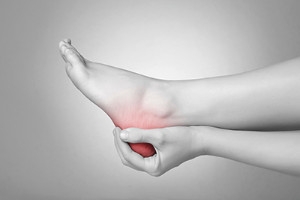
 Children who participate in running and jumping activities may be susceptible to developing Sever’s disease. This condition can target young adolescents, and affects the growth plate in the heel. It can occur as a result of increased running activities, or during a growth spurt. Common symptoms that are associated with Sever’s disease can consist of pain and discomfort in the heel and surrounding area, and the Achilles tendon may become tight, possibly causing difficulty in walking. Research has indicated it may help to cease the activity that caused this condition, in addition to performing specific stretching exercises which may be beneficial in strengthening the affected foot. If your active child is exhibiting heel pain, it is suggested that you consult with a podiatrist who can properly treat this condition.
Sever's disease often occurs in children and teens. If your child is experiencing foot or ankle pain, see Ambrose Su, DPM from Cascade Foot Clinic. Our doctor can treat your child’s foot and ankle needs.
Sever’s Disease
Sever’s disease is also known as calcaneal apophysitis, which is a medical condition that causes heel pain I none or both feet. The disease is known to affect children between the ages of 8 and 14.
Sever’s disease occurs when part of the child’s heel known as the growth plate (calcaneal epiphysis) is attached to the Achilles tendon. This area can suffer injury when the muscles and tendons of the growing foot do not keep pace with bone growth. Therefore, the constant pain which one experiences at the back of the heel will make the child unable to put any weight on the heel. The child is then forced to walk on their toes.
Symptoms
Acute pain – Pain associated with Sever’s disease is usually felt in the heel when the child engages in physical activity such as walking, jumping and or running.
Highly active – Children who are very active are among the most susceptible in experiencing Sever’s disease, because of the stress and tension placed on their feet.
If you have any questions, please feel free to contact our office located in Bend, OR . We offer the newest diagnostic and treatment technologies for all your foot care needs.
Sever's Disease
Sever's disease, also known as calcaneal apophysitis, is a medical condition that causes heel pain in children’s feet while they’re growing. Sever's disease occurs most commonly in boys and girls between the ages of 8 and 14.
Sever's disease occurs when the child’s growth plate, or the calcaneal epiphysis, an area attached to the Achilles tendon, is injured or when the muscles and tendons of the growing foot do not keep pace with bone growth. The result is constant pain experienced at the back of the heel and the inability to put any weight on the heel. This forces the child to bear weight on their toes while walking. When a toe gait develops, the child must change the way they walk to avoid placing weight on the painful heel. If this is not properly addressed, this can lead to further developmental problems.
The most common symptom of Sever's disease is acute pain felt in the heel when a child engages in physical activity such as walking, jumping or running. Children who are active athletes are among the group most susceptible to experiencing Sever's disease. This is due to the extreme stress and tension placed on their growing feet. The rolling movement of the foot during walking or running and obesity are both additional conditions linked to causing Sever's disease.
The first step in treating Sever's disease is to rest the foot and leg and avoid physical activity. Over the counter pain-relieving and anti-inflammatory medications can be helpful for reducing the amount of heel pain. A child with Sever's disease should also wear shoes that properly support the heel and the arch of the foot. Consider purchasing orthotic shoe inserts which can help support the heel and foot while it is healing. Most patients with Sever's disease symptoms report an eventual elimination of heel pain after wearing orthotic insoles that support the affected heel.
Sever's disease may affect either one heel or both. It is important for a child experiencing heel pain to be examined by a foot doctor who can apply the squeeze test. The squeeze test compresses both sides of the heel in order to determine if there is intense pain. Discourage any child diagnosed with Sever's disease from going barefoot as this can intensify the problem. Apply ice packs to the affected painful heel two or three times a day for pain relief.
Exercises that help stretch the calf muscles and hamstrings are effective at treating Sever's disease. An exercise known as foot curling has also proven to be very effective at treating Sever's disease. When foot curling, the foot is pointed away from the body, then curled toward the body to help stretch the muscles. The curling exercise should be done in sets of 10 or 20 repetitions and repeated several times throughout the day.
Treatment methods can continue for at least 2 weeks and as long as 2 months before the heel pain completely disappears. A child can continue doing daily stretching exercises for the legs and feet to prevent Sever’s disease from returning.
