
Stages of Children’s Foot Development
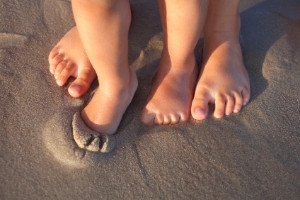
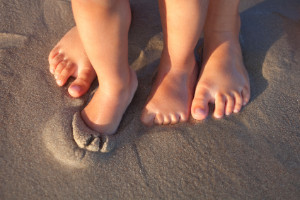
Children’s feet grow at different paces, and growth spurts can depend on the age of the child. This is a good reason to measure your child’s feet approximately every two months until they are six years old. When children are born up until the age of two, their feet are generally soft and flexible. During this stage of life, it is beneficial that children have access to different types of surfaces. Their ability to sense different textures is heightened, and foot muscles can begin to develop. Many parents choose to have their children walk barefoot while indoors, and this can help to strengthen the overall foot. When it is time to purchase their first pair of shoes, arch support is not recommended. Shoes that do not have an arch may allow the big toe to naturally extend. Additionally, the remaining toes can help to control the foot as walking is done, and may be harder to do with an arch in the shoe. If you would like to have more knowledge about what kind of shoes to purchase for your child, a podiatrist can give you the information you are seeking.
Making sure that your children maintain good foot health is very important as they grow. If you have any questions, contact Ambrose Su, DPM of Cascade Foot Clinic. Our doctor can provide the care you need to keep you pain-free and on your feet.
Keeping Children's Feet Healthy
Having healthy feet during childhood can help prevent medical problems later in life, namely in the back and legs. As children grow, their feet require different types of care. Here are some things to consider...
Although babies do not walk yet, it is still very important to take care of their feet.
Avoid putting tight shoes or socks on his or her feet.
Allow the baby to stretch and kick his or her feet to feel comfortable.
As a toddler, kids are now on the move and begin to develop differently. At this age, toddlers are getting a feel for walking, so don’t be alarmed if your toddler is unsteady or ‘walks funny’.
As your child gets older, it is important to teach them how to take care of their feet.
Show them proper hygiene to prevent infections such as fungus.
Be watchful for any pain or injury.
Have all injuries checked by a doctor as soon as possible.
Comfortable, protective shoes should always be worn, especially at play.
If you have any questions, please feel free to contact our office located in Bend, OR . We offer the newest diagnostic and treatment technologies for all your foot care needs.
How to Care for Your Child's Feet
It is never normal for a child to experience pain in his or her feet. Foot pain that lasts more than a few days and limits a child’s ability to walk should be examined by a podiatrist. Many adult foot ailments originate in childhood and may be present at birth. Common foot issues that are experienced by children are pediatric flat foot, Sever’s disease, ingrown toenails, and plantar warts.
A child’s foot grows rapidly during the first year, allowing it to reach almost half of their adult foot size. Consequently, foot specialists consider the first year to be the most crucial point in the foot development process. There are ways you can help ensure that your child’s foot develops properly. One way is to carefully look at your baby’s feet. If you notice any deformities, you should immediately seek professional care. You should also loosely cover your child’s foot, since tight coverings may prevent movement and inhibit normal development. Another tip is to change the baby’s positioning throughout the day. If your baby lies down in one spot for too long, it may put an excess amount of strain on the feet and legs.
It is best that you try not to force a child to start walking. Children will begin to walk when they are both physically and emotionally capable to do so. You should also avoid comparing your child’s walking progress with other children because the age range for independent walking may range. When your child’s feet begin to develop, you may need to change both their shoe and sock size every few months to allow room for their feet to grow.
Kids are sometimes prone to splinters, cuts, and severe injuries because they tend to walk around barefoot. This also makes them more susceptible to developing plantar warts which is a condition caused by a virus that invades the sole of the foot through breaks in the skin. These ailments can be avoided by making sure your child wears shoes in unsanitary environments. You should also wash any minor cuts or scrapes on your child’s feet. It is a myth that exposure to fresh air will heal injuries; fresh air will only expose your child’s cuts to germs.
As a parent, you should ensure that your child’s feet are developing properly and are being properly maintained. Consequently, it is important that you perform routine inspections on his or her feet to detect any injuries or deformities in their early stages. Early detection and treatment will help to ensure that your child does not develop any serious foot conditions.
Hard and Soft Corns
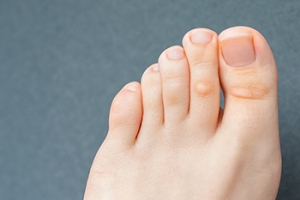
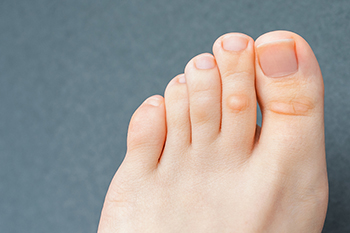
Corns can cause patients to have severe pain, despite their small size. They can develop as a result of excess friction, which generally happens from wearing shoes that do not fit correctly. A common area where a corn can be found in the side of the pinky toe. The pain can be so severe, that larger shoes may need to be purchased to lessen its severity. Corns that form between the toes are called soft corns, as they are consistently moist from the sweat that is found there. Some patients have corns that form on top of the toes, and this may be from an existing bunion or hammertoe. Patients who have small corns may find mild relief when the foot is soaked in warm water, followed by using a pumice stone that can wear the dead skin away. For more severe corns, it is suggested that a podiatrist be contacted, who can prescribe medicine that may shrink it, or possibly trim it surgically.
Corns can make walking very painful and should be treated immediately. If you have questions regarding your feet and ankles, contact Ambrose Su, DPM of Cascade Foot Clinic. Our doctor will treat your foot and ankle needs.
Corns: What Are They? And How Do You Get Rid of Them?
Corns are thickened areas on the skin that can become painful. They are caused by excessive pressure and friction on the skin. Corns press into the deeper layers of the skin and are usually round in shape.
Ways to Prevent Corns
There are many ways to get rid of painful corns such as:
- Wearing properly fitting shoes that have been measured by a professional
- Wearing shoes that are not sharply pointed or have high heels
- Wearing only shoes that offer support
Treating Corns
Although most corns slowly disappear when the friction or pressure stops, this isn’t always the case. Consult with your podiatrist to determine the best treatment option for your case of corns.
If you have any questions, please feel free to contact our office located in Bend, OR . We offer the newest diagnostic and treatment technologies for all your foot care needs.
Everything You Need to Know About Corns
Corns are hard and thick areas of skin that form as a result of constant rubbing, friction, or pressure on the skin. They are patches of dead skin with a small plug toward the center. They may appear on the tops and sides of toes and can make walking painful.
Soft corns are typically thinner with a white color and rubbery texture. Soft corns tend to appear between the toes. Seed corns are another type of corn that appear in clusters and can be tender if they are on a weight-bearing part of the foot. Seed corns usually appear on the bottom of the foot and are likely caused by a blockage in sweat ducts.
While corns and calluses are somewhat similar, calluses are a bit different. Calluses are a patch of dead skin that can occur anywhere on the body. In comparison to corns, calluses are usually a bit larger in size. However, both corns and calluses are caused by increased friction on the skin.
There are some risk factors that may increase your chances of developing corns and calluses. If you have bunions, hammertoe, or a bone spur, you are more likely to develop a corn or callus on your foot.
While Corns and Calluses tend to disappear when the friction to the affected area ceases, the help of a podiatrist may be useful in the removal process. It is important to remove the dead skin around the area and this may be done in a few different ways. Moisturizing creams may be helpful in softening and removing the dead skin around the callus. You should never use razors or other pedicure equipment to remove your corns. Doing this may worsen your corn or callus and cause infection.
In some cases, corns and calluses may be caused by abnormal foot structure or walking motion. In such a case, you should seek a podiatrist’s assistance in order to correct the issue.
Arthritis Can Cause Pain in the Feet and Ankles


If you are suffering from tenderness, pain, or stiffness in the joints of your feet or ankles, call us to schedule an appointment.
Pregnancy Pressure Points in the Feet
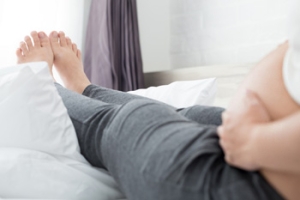
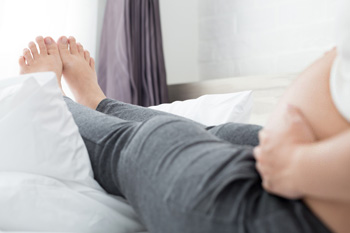
Sometimes during certain pregnancies, a baby may be overdue. This can cause the mother a significant amount of stress. A medical professional may recommend trying to induce labor in the pregnant woman by utilizing acupressure on pressure points on the body. One of these important pressure points actually is located on the feet. It is known as the Kunlun point. Specifically, the Kunlun point can be found in the depression point situated between the ankle and Achilles tendon. Performing acupressure on this point can be done to encourage labor and/or mitigate labor pain. Of course, acupressure might not be a good fit for every pregnant woman. It is always best to trust the advice of a medical professional. If you are pregnant or are planning to be, contact a podiatrist today.
Pregnant women with swollen feet can be treated with a variety of different methods that are readily available. For more information about other cures for swollen feet during pregnancy, consult with Ambrose Su, DPM from Cascade Foot Clinic. Our doctor will attend to all of your foot and ankle needs.
What Foot Problems Can Arise During Pregnancy?
One problem that can occur is overpronation, which occurs when the arch of the foot flattens and tends to roll inward. This can cause pain and discomfort in your heels while you’re walking or even just standing up, trying to support your baby.
Another problem is edema, or swelling in the extremities. This often affects the feet during pregnancy but tends to occur in the later stages.
How Can I Keep My Feet Healthy During Pregnancy?
- Wearing orthotics can provide extra support for the feet and help distribute weight evenly
- Minimize the amount of time spent walking barefoot
- Wear shoes with good arch support
- Wear shoes that allow for good circulation to the feet
- Elevate feet if you experience swelling
- Massage your feet
- Get regular, light exercise, such as walking, to promote blood circulation to the feet
If you have any questions, please feel free to contact our office located in Bend, OR . We offer the newest diagnostic and treatment technologies for all your foot care needs.
Foot Care for Pregnant Women
The natural weight that pregnant women gain causes their center of gravity to be completely altered. This causes them to have a new weight-bearing stance which adds pressure to the knees and feet. As a result, pregnant women often experience severe foot pain. The two most common foot issues experienced by women in their pregnancies are edema and over-pronation. It is important for all pregnant women to learn more about how to take care of their feet so they are more comfortable during their pregnancy.
Over-pronation, which is commonly referred to as flat feet, is caused when a person’s arch flattens out upon weight bearing. This causes the person’s feet to roll inward while walking. Pregnant women often experience this due to the sudden weight they gain.
Edema, also referred as swelling in the feet, typically occurs in the later part of the pregnancy. It is the result of the extra blood accumulated in the pregnant woman’s body. The enlarged uterus puts more pressure on the blood vessels in the pelvis which causes leg circulation to slow down. This causes blood to pool in the lower extremities.
Fortunately, there are ways to treat both edema and over-pronation. Edema can be treated by elevating the foot as often as possible. Wearing proper fitting footwear will also be helpful for those with edema. A treatment method for over-pronation could be orthotics. Orthotic inserts should be designed with appropriate arch support and medial rear foot for your foot.
It is best for pregnant women to buy new shoes during the day, because this is the time where swelling is at its peak. Pregnant women also shouldn’t rush when buying shoes. It is always advised that you make sure your shoes fit properly but this is especially important during pregnancy.
If you are a pregnant woman, you should consult with a podiatrist in order to make sure your feet are healthy throughout the entirety of your pregnancy.
What Are Hot Spots and Blisters?

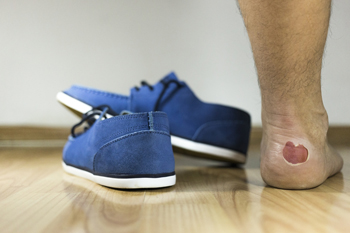
Blisters, as many individuals might already know, are bubble-like areas of skin that can develop on the feet in response to friction. When an individual develops a blister, sometimes the blister can make engaging in physical activities difficult or uncomfortable. Anyone serious about preventing or treating blisters ought to be aware of what “hot spots” are and how they are related to blister formation on the feet. Essentially, hot spots are the first symptom of a blister, and they can indicate that a blister is about to form. Hot spots are more or less self-explanatory; they are areas of the feet that are hot and can feel significantly irritated. If you feel a hot spot on the feet developing, then this might indicate that a blister is on the way. Typically, when an individual feels a hot spot developing, they must address the problem to prevent a blister from forming. If you are someone that already has a blister or feels a hot spot on their feet, schedule an appointment with a podiatrist today.
Blisters are prone to making everyday activities extremely uncomfortable. If your feet are hurting, contact Ambrose Su, DPM of Cascade Foot Clinic. Our doctor can provide the care you need to keep you pain-free and on your feet.
Foot Blisters
Foot blisters develop as a result of constantly wearing tight or ill-fitting footwear. This happens due to the constant rubbing from the shoe, which can often lead to pain.
What Are Foot Blisters?
A foot blister is a small fluid-filled pocket that forms on the upper-most layer of the skin. Blisters are filled with clear fluid and can lead to blood drainage or pus if the area becomes infected.
How Do Blisters Form?
Blisters on the feet are often the result of constant friction of skin and material, usually by shoe rubbing. Walking in sandals, boots, or shoes that don’t fit properly for long periods of time can result in a blister. Having consistent foot moisture and humidity can easily lead to blister formation.
Prevention & Treatment
It is important to properly care for the affected area in order to prevent infection and ease the pain. Do not lance the blister and use a Band-Aid to provide pain relief. Also, be sure to keep your feet dry and wear proper fitting shoes. If you see blood or pus in a blister, seek assistance from a podiatrist.
If you have any questions, please feel free to contact our office located in Bend, OR . We offer the newest diagnostic and treatment technologies for all your foot care needs.
Blisters
Blisters are pockets of fluid that occur under the top layer of your skin. These fluid pockets are usually filled with pus, blood, or serum. Blisters may itch or hurt and can appear as a single bubble or in clusters.
The most common types of blisters are friction blisters. This type of blister may be caused by wearing shoes that are too tight. Friction blisters can also occur on the hands. A change in temperature may also cause blisters on the feet. In the freezing air, frostbite on your toes can lead to blisters, as well as sunburn from hot weather.
The best way to treat a blister is to keep it clean and dry. Most blisters will get better on their own. Once the skin absorbs the fluid within the blister, it will flatten and eventually peel off. You should avoid popping your blister unless you podiatrist does it for you. Additional treatment options include applying an ice pack to the blister or using over-the-counter blister bandages to cover the affected area.
If your blister becomes discolored, inflamed, or worsens it is advised that you speak to your podiatrist. Blisters that are yellow, green, or purple may be infected and require immediate medical attention. Blisters that are abnormally colored may be a sign of a more serious underlying health condition such as herpes.
Cuboid Syndrome and Manual Manipulation

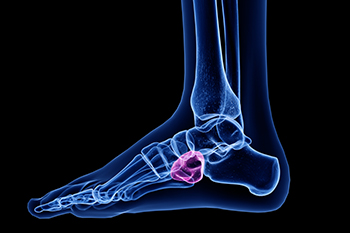
Many different foot afflictions primarily impact a bone in the feet. Cuboid syndrome is one such condition, and it primarily targets the cuboid bone. The cuboid bone is a cube-shaped bone on the outer side of the foot. When it moves out of alignment, this is known as cuboid syndrome. There are several different ways that a medical professional might go about treating cuboid syndrome. One common way is by performing what is known as a “cuboid whip,” which is essentially a manual manipulation of the bone back into alignment. The medical professional can perform this manual procedure by making the patient lie down, relax the leg, and extend the knee while the professional pops the cuboid bone back into place. As a result of this manipulation, the patient might hear some kind of pop sound when the bone shifts back into place. Contact a podiatrist today for more information.
Cuboid syndrome, also known as cuboid subluxation, occurs when the joints and ligaments near the cuboid bone in the foot become torn. If you have cuboid syndrome, consult with Ambrose Su, DPM from Cascade Foot Clinic. Our doctor will assess your condition and provide you with quality foot and ankle treatment.
Cuboid syndrome is a common cause of lateral foot pain, which is pain on the outside of the foot. The condition may happen suddenly due to an ankle sprain, or it may develop slowly overtime from repetitive tension through the bone and surrounding structures.
Causes
The most common causes of cuboid syndrome include:
- Injury – The most common cause of this ailment is an ankle sprain.
- Repetitive Strain – Tension placed through the peroneus longus muscle from repetitive activities such as jumping and running may cause excessive traction on the bone causing it to sublux.
- Altered Foot Biomechanics – Most people suffering from cuboid subluxation have flat feet.
Symptoms
A common symptom of cuboid syndrome is pain along the outside of the foot which can be felt in the ankle and toes. This pain may create walking difficulties and may cause those with the condition to walk with a limp.
Diagnosis
Diagnosis of cuboid syndrome is often difficult, and it is often misdiagnosed. X-rays, MRIs and CT scans often fail to properly show the cuboid subluxation. Although there isn’t a specific test used to diagnose cuboid syndrome, your podiatrist will usually check if pain is felt while pressing firmly on the cuboid bone of your foot.
Treatment
Just as the range of causes varies widely, so do treatments. Some more common treatments are ice therapy, rest, exercise, taping, and orthotics.
If you have any questions, please feel free to contact our office located in Bend, OR . We offer the newest diagnostic and treatment technologies for all your foot care needs.
