
Morton's Neuroma
A neuroma is a thickening of nerve tissue and can develop throughout the body. In the foot, the most common neuroma is a Morton’s neuroma; this typically forms between the third and fourth toes. The thickening of the nerve is typically caused by compression and irritation of the nerve; this thickening can in turn cause enlargement and, in some cases, nerve damage.
Neuromas can be caused by anything that causes compression or irritation of the nerve. A common cause is wearing shoes with tapered toe boxes or high heels that force the toes into the toe boxes. Physical activities that involve repeated pressure to the foot, such as running or basketball, can also create neuromas. Those with foot deformities, such as bunions, hammertoes, or flatfeet, are more likely to develop the condition.
Symptoms of Morton’s neuroma include tingling, burning, numbness, pain, and the feeling that either something is inside the ball of the foot or that something in one’s shoe or sock is bunched up. Symptoms typically begin gradually and can even go away temporarily by removing one’s shoes or massaging the foot. An increase in the intensity of symptoms correlates with the increasing growth of the neuroma.
Treatment for Morton’s neuroma can vary between patients and the severity of the condition. For mild to moderate cases, padding, icing, orthotics, activity modifications, shoe modifications, medications, and injection therapy may be suggested or prescribed. Patients who have not responded successfully to less invasive treatments may require surgery to properly treat their condition. The severity of your condition will determine the procedure performed and the length of recovery afterwards.
Causes of Tarsal Tunnel Syndrome


The tarsal tunnel is an area where multiple tendons, ligaments, and nerves connect One nerve in this tunnel is the tibial nerve . Tarsal tunnel syndrome occurs when this nerve is pinched for various reasons. These can include enduring an ankle injury, rolling the ankle inward while walking or running, or if there is a mass or cyst. Some of the symptoms patients may experience with this condition can consist of burning pain, numbness, or tingling in the arch of the foot. Treatment often begins with resting the affected foot and wearing custom made orthotics. In addition to this, wearing supportive shoes can have a positive impact in providing mild relief. In severe cases, surgery may be necessary to permanently repair the tibial nerve. If you think you may have tarsal tunnel syndrome, it is suggested that you consult with a podiatrist who can offer you expert advice on proper treatment methods.
Tarsal tunnel syndrome can be very uncomfortable to live with. If you are experiencing tarsal tunnel syndrome, contact Ambrose Su, DPM of Cascade Foot Clinic. Our doctor can provide the care you need to keep you pain-free and on your feet.
Tarsal Tunnel Syndrome
Tarsal tunnel syndrome, which can also be called tibial nerve dysfunction, is an uncommon condition of misfiring peripheral nerves in the foot. The tibial nerve is the peripheral nerve in the leg responsible for sensation and movement of the foot and calf muscles. In tarsal tunnel syndrome, the tibial nerve is damaged, causing problems with movement and feeling in the foot of the affected leg.
Common Cause of Tarsal Tunnel Syndrome
- Involves pressure or an injury, direct pressure on the tibial nerve for an extended period of time, sometimes caused by other body structures close by or near the knee.
- Diseases that damage nerves, including diabetes, may cause tarsal tunnel syndrome.
- At times, tarsal tunnel syndrome can appear without an obvious cause in some cases.
The Effects of Tarsal Tunnel Syndrome
- Different sensations, an afflicted person may experience pain, tingling, burning or other unusual sensations in the foot of the affected leg.
- The foot muscles, toes and ankle become weaker, and curling your toes or flexing your foot can become difficult.
- If condition worsens, infections and ulcers may develop on the foot that is experiencing the syndrome.
A physical exam of the leg can help identify the presence of tarsal tunnel syndrome. Medical tests, such as a nerve biopsy, are also used to diagnose the condition. Patients may receive physical therapy and prescriptive medication. In extreme cases, some may require surgery.
If you have any questions please contact our office located in Bend, OR . We offer the newest diagnostic and treatment technologies for all your foot and ankle needs.
Treating Tarsal Tunnel Syndrome
Tarsal tunnel syndrome is a condition in which the tibial nerve, located in the tarsal tunnel in the foot, is compressed. The tibial nerve can become compressed from injury, such as an ankle sprain, flat feet, and lesions. Arthritis, diabetes, and varicose veins can also cause swelling and thus result in nerve compression.
Symptoms of tarsal tunnel syndrome include several different sensations in the sole of the foot, inside the ankle, and around the tibial nerve. These sensations include shooting pains, numbness or reduced sensation, pins and needles, burning, and tingling. Symptoms tend to worsen with greater activity to the area. In rare and severe occasions, this can change the muscles in the foot.
If you suspect you have tarsal tunnel syndrome, you should consult with your podiatrist. He or she will examine your medical history to see if you have a history of diabetes, arthritis, or flat feet. They will also check to see if you have suffered an injury to the area recently. An electrical test will be conducted to check if the nerve has been damaged. A simpler Tinel’s Test might also be used. This includes simply tapping the nerve to create a sensation. An MRI scan of the area may also be used.
Treatments vary greatly for tarsal tunnel syndrome. Treatments include both nonsurgical and surgical options depending upon the severity of the condition. Nonsurgical options include anti-inflammatory medication and steroid injections to the area. Orthotics, such as a splint or brace that immobilizes the foot, is another noninvasive option. For those with flat feet, custom shoes can be made to offer better foot support. Surgical options include a tunnel tarsal release, in which an incision is made behind the ankle down to the arch of the foot. This releases the ligament and relieves pressure off the nerve. Some doctors use a more minimally invasive surgery, where smaller incisions are made in the ankle and the ligament is stretched out.
If you are suffering from painful sensations in your foot, see a podiatrist who can determine if you are experiencing tarsal tunnel syndrome. Tarsal tunnel syndrome that is left unchecked can cause permanent nerve damage to the foot.
How Wide Feet Can Cause Pain
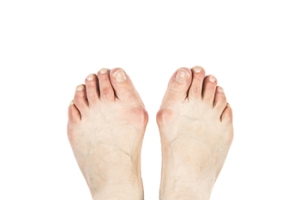
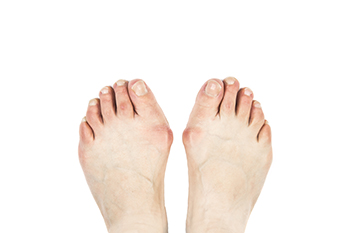
If you notice shoes that previously fit your feet seem tighter and more uncomfortable, especially in the midfoot area, you may have developed a splay foot. This condition is simply a widening of the feet as the metatarsals spread out. Wider feet can then contribute to fallen arches, resulting in pain. A simple way to find out if you have a splay foot is to look at your feet. One may also feel increased pain when walking or standing and a tendency to walk on the outside of the feet. This gait change may cause calluses because of the shift in weight distribution. A splay foot can also be noticed by a wearing down of the shoes on the outside edge. In some cases, hammertoes and other toe deformities may begin to appear. The exact cause of splay foot is up for debate, but many experts believe that obesity, the long-term wearing of high heels, and aging may be factors. Finding shoes that fit wider feet can help to reduce the effects of a splay foot. In addition, foot-strengthening exercises are thought to be the best way to overcome the symptoms. Please visit a podiatrist for more information and to learn the treatment option that is best for you.
Foot Pain
Foot pain can be extremely painful and debilitating. If you have a foot pain, consult with Ambrose Su, DPM from Cascade Foot Clinic. Our doctor will assess your condition and provide you with quality foot and ankle treatment.
Causes
Foot pain is a very broad condition that could be caused by one or more ailments. The most common include:
- Bunions
- Hammertoes
- Plantar Fasciitis
- Bone Spurs
- Corns
- Tarsal Tunnel Syndrome
- Ingrown Toenails
- Arthritis (such as Gout, Rheumatoid, and Osteoarthritis)
- Flat Feet
- Injury (from stress fractures, broken toe, foot, ankle, Achilles tendon ruptures, and sprains)
- And more
Diagnosis
To figure out the cause of foot pain, podiatrists utilize several different methods. This can range from simple visual inspections and sensation tests to X-rays and MRI scans. Prior medical history, family medical history, and any recent physical traumatic events will all be taken into consideration for a proper diagnosis.
Treatment
Treatment depends upon the cause of the foot pain. Whether it is resting, staying off the foot, or having surgery; podiatrists have a number of treatment options available for foot pain.
If you have any questions, please feel free to contact our office located in Bend, OR . We offer the newest diagnostic and treatment technologies for all your foot care needs.
Foot Pain
Our feet are arguably the most important parts of our bodies because they are responsible for getting us from place to place. However, we often don’t think about our feet until they begin to hurt. If you have pain in your feet, you need to first determine where on the foot you are experiencing it to get to the root of the problem. The most common areas to feel pain on the foot are the heel and the ankle.
Heel pain is most commonly attributed to a condition called plantar fasciitis. Plantar fasciitis occurs when the plantar fascia, which is the band of tough tissue connecting the heel bone to the toes becomes inflamed. Plantar fasciitis pain is usually worse in the morning, and it tends to go away throughout the day. If you have plantar fasciitis, you should rest your foot and do heel and foot muscles stretches. Wearing shoes with proper arch support and a cushioned sole has also been proven to be beneficial.
Some common symptoms of foot pain are redness, swelling, and stiffness. Foot pain can be dull or sharp depending on its underlying cause. Toe pain can also occur, and it is usually caused by gout, bunions, hammertoes, ingrown toenails, sprains, fractures, and corns.
If you have severe pain in your feet, you should immediately seek assistance from your podiatrist for treatment. Depending on the cause of your pain, your podiatrist may give you a variety of treatment options.
Plantar Warts Can Be Treated!


Plantar warts are small growths that develop on parts of the feet that bear weight. They're typically found on the bottom of the foot. Don't live with plantar warts, and call us today!
Foot Stretches and Massages May Help Elderly Foot Concerns

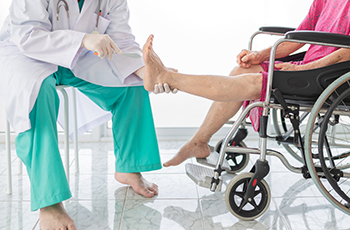
Injuries may be more common among the elderly population, and it is essential to maintain proper foot care. This begins with washing and drying the feet, followed by applying a good moisturizer. Older people may have neuropathy, which is the inability to feel existing cuts and scrapes on the feet. Using a mirror with a long handle may help to see the soles of the feet, which may make it easier to examine them. It is important to wear shoes that fit correctly, possibly preventing uncomfortable conditions such as ingrown toenails or bunions from developing. It is suggested to refrain from walking barefoot and wearing appropriate shoes while in public areas may help to prevent athlete’s foot. Circulation may be improved when foot stretches or massages are part of a regular routine. If you would like additional tips on elderly foot care, please confer with a podiatrist.
Proper foot care is something many older adults forget to consider. If you have any concerns about your feet and ankles, contact Ambrose Su, DPM from Cascade Foot Clinic. Our doctor can provide the care you need to keep you pain-free and on your feet.
The Elderly and Their Feet
As we age we start to notice many changes in our body, but the elder population may not notice them right away. Medical conditions may prevent the elderly to take notice of their foot health right away. Poor vision is a lead contributor to not taking action for the elderly.
Common Conditions
- Neuropathy – can reduce feeling in the feet and can hide many life-threatening medical conditions.
- Reduced flexibility – prevents the ability of proper toenail trimming, and foot cleaning. If left untreated, it may lead to further medical issues.
- Foot sores – amongst the older population can be serious before they are discovered. Some of the problematic conditions they may face are:
- Gouging toenails affecting nearby toe
- Shoes that don’t fit properly
- Pressure sores
- Loss of circulation in legs & feet
- Edema & swelling of feet and ankles
Susceptible Infections
Diabetes and poor circulation can cause general loss of sensitivity over the years, turning a simple cut into a serious issue.
If you have any questions, please feel free to contact our office located in Bend, OR . We offer the newest diagnostic and treatment technologies for all your foot care needs.
Elderly and their Feet
While proper foot care is important for everybody, senior citizens have the tendency to be more susceptible to certain foot conditions. The elderly should therefore be well informed about any problems that may arise and about what they can do to properly avoid or treat them.
Some of the most common foot problems seniors are susceptible to include foot ulcers, ingrown toenails, fallen arches, and fungal nails. A foot ulcer is an open sore on the foot and can be a result of diabetes and decreased sensation in the feet. An ingrown toenail is defined as when the nail grows into the side of the toe. Fallen arches are indicated by the instep of the foot collapsing. A fungal nails is a condition that results in deformed and discolored toenails.
In order to avoid these conditions it is recommended that the feet be inspected by the patient on a regular basis. If these inspections are carried out routinely, there is a good likelihood that problems can be identified before they become severe, or can even be avoided altogether. If any abnormality is discovered, it is important that the individual consult a podiatrist for diagnosis and information on treatment options.
Proper foot hygiene is also important. Making sure that you always have clean, dry socks on can be a major deterrent to many different problems including bacterial infections, foot odor, and certain types of fungus. Wet feet are a major cause of many of these problems. If your socks get wet, it is important to change them. Walking around in wet socks may not only lead to various infections, but can irritate the skin and result in a number of various complications. Clean, dry feet are less likely to be affected by fungal and other infections.
As people age, the fat present on your feet begins to deteriorate. The protective nature of this fat keeps the feet healthy by providing a barrier between your bones and the ground. This also aids in giving the skin on the feet a certain amount of elasticity. This is one factor that causes elderly people to develop some serious foot issues. Foot moisturizers can be helpful to avoid certain problems associated with this. However, water-based moisturizers do not work as well for elderly people as they do for the young. Instead, it is more effective to use an emollient instead. An emollient is effective because it binds the water in the foot, keeping it from becoming absorbed too readily which will result in dry skin. Emollients also have a special property called occlusion, which provides a layer of oil on the skin. This layer prevents the foot from drying up and can be very effective in treating dry skin disorders. If you can keep the skin on your feet healthy, this will substantially reduce the number of foot problems you will encounter in old age.
Proper footwear is another way to keep feet healthy. Shoes that fit well and provide proper support help prevent ingrown toenails and fallen arches.
Certain medical conditions such as diabetes or poor blood circulation increase the risk for foot issues. For individuals with any of these conditions it is extremely important to conduct regular foot inspections to make sure that there are no sores or infections present.
Shoes Differ for Running and Walking


The foot moves differently while walking than it does when running. Podiatrists suggest buying shoes that would best serve the foot for the intended sport. When people run, the feet typically support approximately twice the weight of the body, and there are times when the foot is completely in the air. This is followed by an impact on the ground, and running shoes are designed to distribute weight throughout the foot. This type of shoe is generally constructed with extra mesh and can help to absorb body heat in addition to supporting the foot. People who enjoy walking can purchase lighter shoes. These types of shoes are made with less cushioning than running shoes and have extra shock absorbers in the heel and arch area. This may be beneficial in preventing foot and ankle injuries. If you would like more information about the differences between running and walking shoes, please confer with a podiatrist.
For more information about walking shoes versus running shoes, consult with Ambrose Su, DPM from Cascade Foot Clinic. Our doctor can measure your feet to determine what your needs are and help you find an appropriate pair of footwear.
Foot Health: The Differences between Walking & Running Shoes
There are great ways to stay in shape: running and walking are two great exercises to a healthy lifestyle. It is important to know that running shoes and walking shoes are not interchangeable. There is a key difference on how the feet hit the ground when someone is running or walking. This is why one should be aware that a shoe is designed differently for each activity.
You may be asking yourself what the real differences are between walking and running shoes and the answers may shock you.
Differences
Walking doesn’t involve as much stress or impact on the feet as running does. However, this doesn’t mean that you should be any less prepared. When you’re walking, you land on your heels and have your foot roll forward. This rolling motion requires additional support to the feet.
Flexibility – Walking shoes are designed to have soft, flexible soles. This allows the walker to push off easily with each step.
If you have any questions, please feel free to contact our office located in Bend, OR . We offer the newest diagnostic and treatment technologies for all your foot care needs.
Walking Shoes vs. Running Shoes
Although walking shoes and running shoes look similar, they have characteristics that make them different from each other. Runners should avoid running in walking shoes and vice versa. It is very important that you wear the proper footwear for the activity you are going to partake in, for you to avoid injury.
If you are looking to buy a new pair of running shoes, there are certain things you should look out for. One of the main components that makes up a good running shoe is flexibility. You should be able to bend and flex the forefoot of the shoe that you are purchasing. If you can bend the entire shoe in half with ease, this is a sign that the shoe does not have enough structure for your feet. Another feature you should look for is a low heel. Certain running shoes have a low heel to support runners who land on the ball of their feet. Lastly, you should look for the fit of the running shoe. You should visit the best running shoe store in your area to have your feet properly sized for the shoes in the store. Usually, the staff will be able to help recommend the best type of running shoe for your needs.
When you are walking, the body’s weight is evenly distributed on the foot. This influences the design of shoes made for walking. If you are looking to buy a pair of walking shoes, there are different features you should look for to determine which pair of shoes is best for you. Walking shoes should be flexible through the ball of the foot to allow for a greater range of motion through the roll of the forefoot. These shoes also should have greater arch support for the foot. If you plan on walking long distances or on hard surfaces, it is best that you wear shoes that have cushioning.
When trying on a new pair of shoes, the heel should fit snugly without slip. You should shop for shoes after a long walk, since your feet tend to swell throughout the day. Many people have one foot that is a different size than the other, so it is best that you have both feet measured when looking for your true size. You should also beware that sizes vary depending on the shoe brand. A certain size in one brand may be a different size in a different brand. Lastly, you should always walk around in shoes that you plan on buying. This will help you determine whether the shoes are comfortable and if they fit well on your feet.
Always look for good shoe construction when shopping for new sneakers. The upper part of the shoe should allow for adjustment through laces or straps. If you need help with shoe sizing or if you need custom orthotics for your feet, you should make an appointment with your podiatrist for assistance. He or she will be more than happy to help you with your shoe sizing needs.
